
.png)
.png)
.png)
.png)
_2026122-125305.png)
_2026122-125305.png)

_2026122-125305.png)
_2026122-125305.png)
_2026122-125305.png)










Success in any sporting event depends on training and diet. What you eat can help your performance, but what you eat to recover can set you up for subsequent training days or multi-day cycling events.
🕒 6 min read
Recovery and repair
Recovery meals refuel your body by replenishing glycogen stores with carbohydrates, and repair by delivering amino acids from protein to muscles.
The extended high-exercise intensity involved in long-distance bike races means you'll need a substantial meal to help you recover, especially if you're racing the following day. The same applies to intense training sessions performed twice daily or on consecutive days.
However, this doesn't mean you have to eat everything in the fridge. Sensible eating may satisfy your recovery needs, especially if you are not racing or training again for a few days.
A post-workout meal contains three essential components to help with recovery: carbohydrate, protein, and a high concentration of nutrients.
Food 1: Carbohydrate for glycogen replenishment
After a tough energy-depleting bike race, carbohydrates are essential to replace muscle glycogen stores. Glycogen is how glucose is stored in the body, ready to be used. You can source carbohydrates from foods such as pasta, bread, rice, and other grains such as couscous.
You may want to eat white varieties of these foods before or after training to aid digestion, but you should lean towards wholegrain options at other times.
Between one and two hours after the event you should eat around 1g of carbohydrate per kg of bodyweight; this helps to maximise glycogen replenishment.
Sticking to this window is more of a priority if you're competing in a multi-day cycling event. If you're not racing or training again for a couple of days, eating a sensible diet with regular nourishing meals (don't forget the carbohydrate) will help the body to replenish its stores.
If you have less than 8 hours of recovery time between two fuel-demanding sessions, you may require the 'speedy refuelling' glycogen replenishment technique. This involves consuming 1g of carbohydrate per kg of bodyweight per hour for the first 4 hours after exercising. This will help replenish glycogen stores.
This accelerated refuelling is typically needed when riders need to train intensely twice a day, and can incorporate both liquid and solid carbohydrate sources for convenience.
| 100g raw couscous | 72g |
| 100g raw white pasta | 69g |
| 100g raw basmati rice | 76g |
| 2 slices of white bread | 44g |
| 1 tortilla wrap | 34g |
| 100g raw egg noodles | 66g |
| 40g cornflakes | 33g |
| Energy gel | 24g |
Food 2: A source of protein for muscle repair
The second key component of any post-race recovery meal is protein. This macronutrient plays a crucial role in the recovery process, by helping muscle tissue to repair the microscopic damage that occurs from intense exercise, especially when it involves strength and resistance. This damage is part of the adaptation process for muscle growth and strength development.
When consumed, protein is broken down into amino acids, which are absorbed into the bloodstream and transported to muscle cells. One of the most significant amino acids is leucine, which triggers muscle protein synthesis.
After a demanding long-distance bike race, you should consume 25-30g of protein in the next 1-2 hours. This anabolic window for protein continues for 24 hours after exercise. This is why eating protein regularly with all your meals is important to assist with the recovery process.
Good protein sources include poultry, fish, beans, pulses, tofu, and Quorn. Rather than eating one single source of protein, you can combine foods.
| 120g chicken breast | 30g |
| 100g tofu | 12g |
| 100g Quorn | 14g |
| ½ can of beans | 9g |
| 125g salmon | 25g |
| 1 can of tuna | 26g |
| 200ml semi-skimmed milk | 7g |
| 125g yoghurt | 5g |
| Protein shake | 24g |
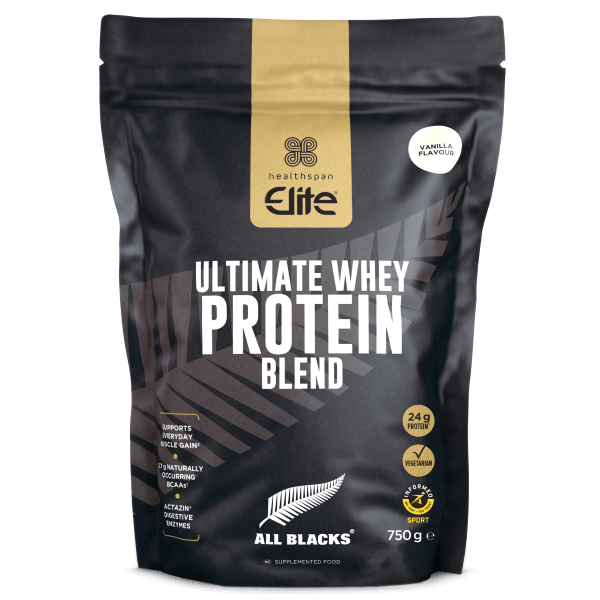
All Blacks Ultimate Whey Protein Blend
Protein powder co-created with the All Blacks
- 24g protein per serving to support muscle growth
- Added protease to break down protein for better absorption
- Available in vanilla, strawberry and chocolate. Low in sugar
Food 3: Nutrient-dense foods for physiological support
Nutrient quality is just as important as quantity. You may feel you can eat what you want after exercising at a high intensity for an extended period, but it's still essential to nourish your body by choosing nutrient-dense foods.
Such foods include fruit and vegetables, which are a rich source of vitamins, minerals and the plant compounds that support all areas of your health, helping to quell inflammation and oxidative stress in the body, as well as support immunity.
Your recovery meal should be low in fat, as this slows down the digestion of carbohydrates. Any fats in your meal should be healthy fats such as olive oil, avocado, nuts, and seeds. These help to support the absorption of specific vitamins, provide energy, and help with inflammation.
Combine these dietary elements to create recovery meals
All three dietary elements should be combined to create a recovery meal high in carbohydrates and protein, lower in fat, and packed with nutrients.
What you choose to eat will depend on your access to food. If your race is out of town and you have to travel back home, prepare something to take with you to eat on the way. For convenience, you could also eat a range of foods that can be prepared in transit, such as protein shakes, bananas, dried fruit, granola bars, and bread rolls with meat slices.
Good recovery meal ideas include:
- Grilled chicken or fish with rice and roasted vegetables
- Pasta with prawns and spinach in tomato sauce
- Vegetable omelette with basmati rice
- Tortilla wrap filled with chicken breast, rice, avocado and salad
- Quorn and bean Bolognese or chilli with white pasta or rice and salad
- Rice bowl with marinated tofu, black beans, avocado and salsa
If you don't have the appetite for a complete meal immediately after your ride, try opting for smaller snacks that combine carbohydrates and protein, or have a light meal.
Greek yoghurt with fruits and granola, scrambled egg or beans on toast, a protein shake tailored for weight gain, jam and peanut butter sandwiches are good examples to eat until your appetite returns to normal.
Diet plays a key role in helping the body to recovery after the damage caused by an energy-depleting bike race. By combining the main food elements you can create a post-workout meal to suit your needs, whatever the challenges of timing or access to food.