
.png)
.png)
.png)
.png)
_2026122-125305.png)
_2026122-125305.png)

_2026122-125305.png)
_2026122-125305.png)
_2026122-125305.png)









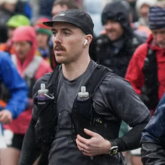
Endurance athletes need more than generic hydration advice. This article explains how sweat rate, sodium loss, exercise duration and environmental conditions shape an individual hydration strategy for training and competition.
- Understanding sweat rate and individual variability.
- Managing dehydration, sodium loss and overhydration risk.
- Practising a simple, repeatable plan before race day.
Why Hydration Matters for Performance
Hydration is fundamental to endurance performance, yet it is often approached using generic recommendations rather than individualised strategies. Fluid loss during exercise can vary substantially between athletes, influenced by factors such as body size, exercise intensity, environmental conditions, and acclimation status (1).
As exercise duration increases, maintaining fluid balance becomes increasingly important. Fluid losses through sweat can lead to reductions in plasma volume, increased cardiovascular strain, and impaired thermoregulation, all of which contribute to a decline in performance (2). These effects are particularly pronounced in longer events or in warm environments, where sweat losses are elevated.
Despite this, many athletes either underestimate their fluid requirements or rely on simplified guidelines that do not reflect their individual needs. Developing a more structured and personalised hydration strategy is therefore essential for sustaining performance during endurance events.
Sweat Rate and Individual Variability
Sweat rate is highly individual and can vary widely, even among athletes performing the same activity under similar conditions. Factors such as body size, metabolic heat production, environmental temperature, humidity, and heat acclimation all influence the rate of fluid loss during exercise (1).
In practical terms, this means that a one-size-fits-all hydration strategy is unlikely to be effective. Some athletes may lose less than 0.5 litres per hour, while others may exceed 1.5 litres per hour under demanding conditions.
- Measure body mass before and after a training session.
- Account for any fluid consumed during the session.
- Use this as a practical starting point for an individualised hydration plan.
A simple and effective way to estimate sweat rate is by measuring changes in body mass before and after a training session, accounting for fluid intake. This provides a practical starting point for developing an individualised hydration plan.
Understanding these differences allows athletes to move away from generic advice and towards strategies that reflect their own physiological responses.
Dehydration and Its Impact on Performance
Dehydration, or its technical term “hypohydration”, is commonly defined as a loss of body water resulting in a reduction in body mass. A loss of more than 2% of body mass has been associated with reductions in endurance performance (2).
At this level of dehydration, several physiological changes occur. Cardiovascular strain increases as the body works harder to maintain blood flow. Core temperature rises due to reduced heat dissipation, and perceived exertion increases, making exercise feel more difficult at a given intensity.
In addition to these physical effects, dehydration can also impair cognitive performance. Studies have shown reductions in attention, reaction time, and decision-making ability, which can be particularly relevant in endurance events that require pacing decisions or technical skill (3).
These combined effects highlight the importance of maintaining hydration throughout exercise, particularly as duration and environmental stress increase.
Sodium and Electrolyte Balance
Sweat contains not only fluid but also electrolytes, with sodium being the primary electrolyte lost during exercise. Sodium losses can vary considerably between individuals, with some athletes losing significantly more than others (1).
Replacing sodium during prolonged exercise can help maintain fluid balance by supporting plasma volume and promoting fluid retention. This can be particularly important when large volumes of fluid are consumed.
Without adequate sodium intake, consuming high volumes of plain water can dilute blood sodium levels, increasing the risk of exercise-associated hyponatraemia (4). This condition can impair performance and, in severe cases, pose serious health risks.
Including sodium in hydration strategies is therefore particularly important during longer events, in hot conditions, or for athletes with high sweat rates.
Developing an Individual Hydration Strategy
An effective hydration strategy should be based on individual needs rather than fixed targets. The goal is not to completely replace all fluid losses, but to limit excessive dehydration while avoiding overconsumption of fluid (2).
- Individual sweat rate.
- Exercise duration and intensity.
- Environmental conditions.
- Access to fluids during exercise, such as aid stations during a race.
Rather than aiming for precise fluid replacement, athletes should aim to maintain hydration within a range that supports performance without causing discomfort.
Practical Implementation
From a practical perspective, hydration strategies should be simple and repeatable.
- Start exercise in a well-hydrated state.
- Drink regularly during exercise based on individual needs.
- Include sodium during longer events or in hot conditions.
- Use training sessions to refine hydration strategies.
Remember that fluid intake does not need to match sweat loss exactly, but should be sufficient to prevent excessive body mass loss. Ideally, athletes should aim to prevent more than 2% body mass loss.
It is also important to consider the form of fluid intake. Carbohydrate-electrolyte drinks can provide both hydration and energy, which may be beneficial during longer sessions.
Common Mistakes
Several common mistakes are observed in endurance settings.
One of the most frequent is relying solely on thirst to guide fluid intake. While thirst can provide useful feedback, it may not always reflect fluid needs during prolonged or high-intensity exercise (1).
Overconsumption of fluid is another issue, particularly in athletes who are attempting to prevent dehydration. This can increase the risk of hyponatraemia, especially when sodium intake is inadequate (4).
Failing to account for individual variability is also a common limitation. Generic hydration plans may not meet the needs of athletes with higher or lower sweat rates.
Addressing these issues requires a more individualised and structured approach.
Application to Your Training and Competition
Hydration strategies should be developed and tested in training before being applied in competition. Training provides an opportunity to assess fluid needs, test different intake strategies, and identify what is most effective and well tolerated.
- Estimate your sweat rate under different conditions.
- Determine appropriate fluid intake patterns.
- Assess tolerance to fluid volume and composition.
Practising hydration strategies in training reduces uncertainty and improves execution during competition.
Key Takeaway
Hydration strategies should be individualised rather than generic. Athletes who understand their fluid and electrolyte needs are better able to maintain performance, reduce physiological strain, and avoid both dehydration and overhydration during endurance events.
Quality Assurance
Quality assurance is an important consideration when choosing sports nutrition products. Athletes should look for products that are manufactured to high standards and, where relevant, tested through recognised third-party programmes such as the Informed Sport Program.