
.png)
.png)
.png)
.png)
_2026122-125305.png)
_2026122-125305.png)

_2026122-125305.png)
_2026122-125305.png)
_2026122-125305.png)









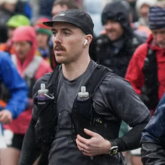
Endurance performance is shaped by more than fitness alone. Heat, cold, altitude and terrain can all change how the body uses fuel and fluid, making it important for athletes to adapt their nutrition strategy to the environment.
- How heat, cold and altitude affect fuelling and hydration needs.
- Why terrain can increase energy demand during endurance events.
- How to adapt nutrition strategies for training and competition.
Why Environment Matters for Performance
Endurance performance is not determined by physiology alone. Environmental conditions such as heat, cold, and altitude can significantly alter the demands placed on the body and, in turn, influence nutritional requirements.
Many athletes apply the same fuelling and hydration strategy regardless of conditions. However, changes in temperature, oxygen availability, and terrain can affect carbohydrate utilisation, fluid balance, and overall energy expenditure (1,2).
Failing to adjust nutrition strategies accordingly can lead to under-fuelling, dehydration, and impaired performance. Tailoring your approach to the environment is therefore an important component of race preparation.
Nutrition Strategies in Hot Environments
Exercise in the heat increases physiological strain due to elevated core temperature and increased sweat rates. This leads to greater cardiovascular demand and a higher reliance on carbohydrate metabolism (1).
As core temperature rises, the body increases carbohydrate utilisation to support energy production. This means that carbohydrate availability becomes even more important during endurance exercise in hot conditions (2).
At the same time, sweat losses increase substantially, leading to greater fluid and electrolyte requirements. Inadequate fluid replacement can accelerate dehydration, further increasing cardiovascular strain and perceived effort (3).
- Prioritise carbohydrate intake during exercise.
- Increase fluid intake relative to cooler conditions.
- Include sodium to support fluid balance.
These adjustments help to offset the additional physiological demands imposed by heat.
Hydration and Electrolyte Considerations in Heat
Sweat contains both water and electrolytes, particularly sodium. In hot environments, sodium losses can be significant, especially for athletes with high sweat rates (3).
Replacing sodium during exercise can help maintain plasma volume and improve fluid retention, supporting both thermoregulation and cardiovascular function (3,4).
Without adequate sodium intake, consuming large volumes of water alone may dilute blood sodium levels, increasing the risk of hyponatraemia during prolonged exercise (4).
Including electrolyte-containing fluids or sodium sources alongside fluid intake is therefore an important strategy in hot conditions.
Nutrition Strategies in Cold Environments
Cold environments present a different set of challenges. While sweat losses may be less obvious, dehydration can still occur due to increased respiratory fluid loss and reduced thirst response (5).
Athletes often drink less in cold conditions, which can lead to gradual dehydration over time. This can impair performance in a similar way to dehydration in hot environments.
Energy expenditure may also increase in cold conditions, particularly during prolonged exposure, as the body works to maintain core temperature (5).
Carbohydrate remains an important fuel source, particularly during moderate to high intensity exercise. Maintaining regular carbohydrate intake is therefore still essential, even when environmental conditions feel less demanding.
- Maintain regular fluid intake despite reduced thirst.
- Continue carbohydrate intake during exercise.
- Use warm or palatable fluids where possible.
Altitude and Its Impact on Nutrition
Altitude introduces an additional physiological stress due to reduced oxygen availability. This can impair aerobic performance and increase reliance on carbohydrate metabolism (6).
Carbohydrate oxidation is more oxygen-efficient than fat oxidation, making it a preferred fuel source at altitude. As a result, carbohydrate requirements may increase during endurance exercise performed at moderate to high altitude (6).
Altitude exposure is also associated with increased fluid loss through respiration and diuresis, which can increase the risk of dehydration (7).
In addition, appetite may be suppressed at altitude, making it more difficult to meet energy requirements (7).
- Increase carbohydrate intake to support energy demands.
- Pay close attention to hydration.
- Use easily digestible and palatable food options.
Terrain and Energy Demand
Environmental demands are not limited to temperature and altitude. Terrain also plays an important role in determining energy requirements.
Hilly or mountainous terrain increases the energy cost of movement, particularly during uphill sections. This can lead to greater carbohydrate utilisation and increased overall energy expenditure (8).
In events with significant elevation gain, athletes may need to increase carbohydrate intake to match the higher energy demands.
Downhill running or technical terrain may also increase muscle damage, which can influence recovery requirements post-event.
Practical Implementation
Tailoring your nutrition strategy to environmental conditions requires planning and flexibility.
- Increase carbohydrate intake in hot conditions and at altitude.
- Adjust fluid and sodium intake based on sweat rate and temperature.
- Maintain hydration in cold environments despite reduced thirst.
- Account for increased energy demands in hilly terrain.
- Practise strategies in training under similar conditions.
These adjustments allow athletes to better match their nutritional intake to the specific demands of the environment.
Common Mistakes
A common mistake is applying the same fuelling strategy across all conditions. This can result in inadequate carbohydrate intake in hot or high-altitude environments, or insufficient fluid intake in both hot and cold conditions.
Athletes may also underestimate the impact of terrain on energy expenditure, particularly in events with significant elevation gain.
Failing to practise environmental strategies in training can also lead to issues with tolerance and execution during competition.
Application to Your Training and Competition
Environmental conditions should be considered as part of your overall race preparation.
Training sessions provide an opportunity to test fuelling and hydration strategies under conditions that replicate competition. This allows athletes to refine intake, assess tolerance, and make necessary adjustments.
By aligning nutrition strategies with environmental demands, athletes can reduce physiological strain and maintain performance more effectively.
Key Takeaway
Endurance nutrition strategies should be adapted to the environment. Heat, cold, altitude, and terrain all influence fuel and fluid requirements. Athletes who adjust their intake accordingly are better able to sustain performance and manage fatigue across a range of conditions.
Quality Assurance
Quality assurance is an important consideration when choosing sports nutrition products. Athletes should look for products that are manufactured to high standards and, where relevant, tested through recognised third-party programmes such as the Informed Sport Program.