

.png)
.png)
.png)
.png)
_2026122-125305.png)
_2026122-125305.png)

_2026122-125305.png)
_2026122-125305.png)
_2026122-125305.png)










Digestive (GI) problems are common among athletes. Sports nutritionist Rob Hobson outlines the reasons why and what you can do to minimise the impact.
Athletes push their bodies to the limit to achieve sporting success, but this can come at the cost of various health issues. Gastrointestinal (GI) distress, for example, is common among athletes. It can present itself as bloating, gas, diarrhoea and constipation; all symptoms that can negatively impact an athlete's performance.
Irritable bowel syndrome (IBS) is a gut disorder that affects many people and is characterised by symptoms of GI distress. This condition can affect anyone, but athletes are particularly vulnerable.
What causes gut problems in athletes?
Causes of GI distress include intense training or competition, especially during endurance events. During intense endurance exercise, blood flow is directed away from the gut to working muscles in the body, which can lead to reduced motility (the movement of food through the gut) and increased permeability to the gut lining.
This results in symptoms such as nausea, diarrhoea and abdominal pain, collectively known as exercise-induced gastrointestinal distress. Prolonged endurance exercise can also lead to dehydration, fluctuating hormone levels and electrolyte imbalances, further contributing to GI distress.
Dietary changes such as an increase in carbohydrates or more significant quantities of food and fluids can also impact the gut, as can the use of sports supplements such as protein shakes, energy gels and caffeine.
Psychological stress can also contribute to gut distress, as anxiety affects the gut-brain axis, leading to symptoms such as cramping, bloating and diarrhoea. This type of anxiety and stress can occur for many kinds of reasons, but in the context of sports may involve race day nerves.
What can athletes do to manage their gut distress?
One of the first steps is to identify foods that trigger GI symptoms, by keeping a food and symptom diary. Once identified, athletes can make dietary changes to reduce the risk of GI distress. Athletes should be conscious of any food they are cutting out from their diet and how this may impact their overall nutrient intake. This process may be easier with the help of a registered sports nutritionist.
Take travel precautions
Travel can increase the risk of GI problems, whether due to food intake or immunity. Some athletes may be immune-suppressed due to intense training, putting them at greater risk of infections.
Travellers' diarrhoea is not uncommon, and probiotics may help to reduce the risk of illness. Athletes can take a course of probiotics before and during travel as a preventative strategy against infection.
Test any sports supplements
Any supplement considered by an athlete should always be tested before a competition, as the gut can react differently to different brands or formulations. Energy gels can sometimes cause GI distress, so timing and quantity should always be tested before competition.
Other supplements, such as sodium bicarbonate, can cause gut issues. Methods such as split dosing or consuming carbohydrates with the supplement can be explored to reduce gut symptoms.
Check the label for polyols
Polyols are carbohydrates commonly used as non-sugar sweeteners in food and drink products, which also includes sports supplements. The most commonly used are sorbitol, xylitol and erythritol. These carbohydrates pass through the digestive tract almost intact, as they are poorly digested, and when they reach the large intestine are fermented by gut bacteria.
This process can cause gas, bloating and diarrhoea, and the effects are greater the more polyols you consume. Polyols also act as a laxative, which can be particularly problematic for athletes as it can lead to dehydration and electrolyte imbalances.
Many leading protein bars have up to 18g of polyols per bar. Healthspan Elite's latest HiLO Protein Bars have less than half that.
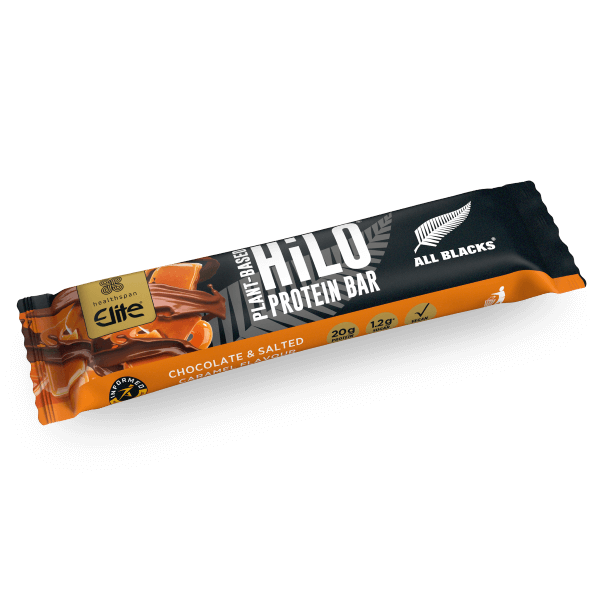
Elite All Blacks Plant-Based HiLo Protein Bar
Delicious protein bars packed with 20g protein
- Chocolate and Salted Caramel, Black Forest Gateau and White Chocolate Raspberry flavours
- 6.7g fibre per bar, only 3.5g sugar
Train your gut
Many athletes change their diet to affect performance outcomes. Manipulating carbohydrate intake is common, especially among endurance athletes, but it can lead to gut distress if carbohydrate levels are increased too quickly.
It is thought that the gut can be trained to tolerate and absorb carbohydrates by gradually increasing intake. Increasing consumption before or during training sessions can help with carbohydrate tolerance.
Adjust your exercise routine
It may be necessary to adjust an exercise routine if it exacerbates symptoms of GI distress. This could involve reducing the intensity of a workout or avoiding specific exercises, such as sit-ups or crunchies, that put pressure on the gut.
Manage your stress
Athletes should find ways to manage their stress and deal with anxiety. Many techniques can help with this, including breathing exercises, meditation, guided visualisation or yoga.
Reducing external stressors, which may revolve around family or work life outside training, is also essential. Cognitive behavioural therapy can also help develop strategies to manage stress, which is particularly important for athletes with IBS.
How can an athlete manage their IBS?
Challenges for athletes with IBS include difficulties with hydration and nutrition, unpredictable bowel movements while training and competing, and limited access to bathroom facilities during events. The anxiety and stress associated with the fear of an IBS flare-up can also harm performance.
Athletes with IBS should be aware of bathroom access during training and competition, which may involve identifying locations beforehand. Training sessions may also need to be modified during an IBS flare-up to take place close to bathroom facilities.
Managing IBS while training and competing requires working with a qualified healthcare professional to develop an individual plan for the athlete. This will involve dietary strategies such as avoiding trigger foods or following the FODMAP diet, which is helpful in the management of IBS symptoms.
Athletes with IBS must be particularly aware of staying hydrated, as dehydration can worsen symptoms and negatively impact athletic performance.
In some cases, medications may be prescribed, such as antispasmodics, to help reduce abdominal pain and cramping. Probiotics may also help treat IBS, particularly strains of Bifidobacterium and lactobacillus, which are thought to assist the digestive system.
An extensive review of more than 30 studies found that probiotics improve overall symptoms, mainly bloating and flatulence, in people with IBS.1
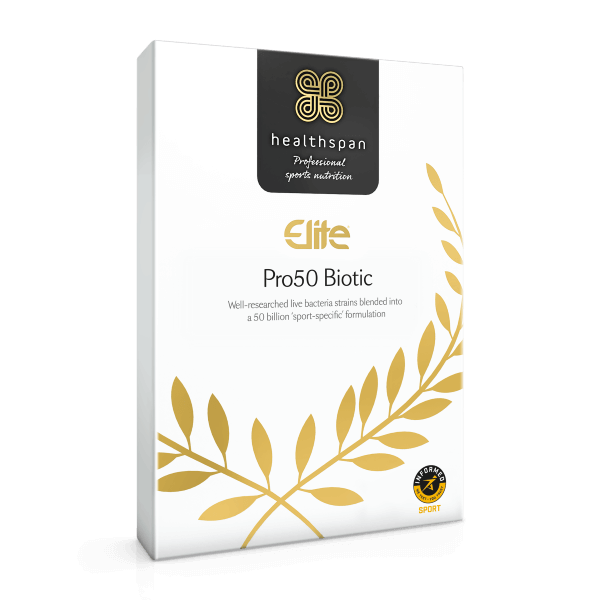
Pro50 Biotic
'Friendly' bacteria specifically chosen for competing athletes
- 50 billion live bacteria
- Five well-researched strains
- Supports the protective intestinal microflora in the gut