


.png)
.png)
.png)
.png)
_2026122-125305.png)
_2026122-125305.png)

_2026122-125305.png)
_2026122-125305.png)
_2026122-125305.png)










Performance Nutritionist Nigel Mitchell takes a deep dive into energy gels to see how they can help individuals reach their sporting and exercise goals.
Energy gels have existed for around 30 years and are closely linked with performance sports. The use of gels in endurance sports like cycling is a core part of the rider's fuelling strategy, and they are also used in team sports such as rugby or football for an energy boost. This article aims to provide an overview of the potential uses of gels and how they can improve performance.
What are energy gels?
An energy gel is a concentrated and convenient source of carbohydrate energy. When competing in sport, your body primarily uses two different fuel sources depending on the intensity and duration: carbohydrate and fat. Carbohydrates can be broken down much quicker than fat stores and are mostly stored as glycogen within the muscle and liver, with some circulating in the blood as glucose. Energy gels allow athletes to quickly top up their energy stores, preventing fatigue and supporting improved performance.
Products such as the Healthspan Elite energy gels are delivered in tubes with a tear-off strip at the opening end – the tubes are designed so that the tear-off part will stay attached to avoid litter.
I find that the best energy gels have the simplest ingredients, and the new Elite gel fully complies with this philosophy. Each gel provides 25g of carbohydrates with a 2:1 maltodextrose:fructose ratio that maximises multisubstrate delivery and natural flavourings.
For an extra energy boost, there is a caffeinated version that provides 75mg of caffeine. Both versions are balanced electrolytes to help replace those lost during exercise.
"The gels are a great option when aiming to get fuel in on the bike, particularly during longer rides and races. Riders also use them before and between shorter-distance races to top up energy levels and provide a quick release of energy ready for an explosive effort."
Georgina Impson Davey, Performance Nutritionist, British Cycling
How should you use energy gels?
As the name implies, energy gels are designed specifically to provide energy and are great at giving an almost immediate boost. Their sweetness and viscosity mean that they coat the tongue and mouth. Receptors in these locations signal the brain that energy is coming, and performance is immediately impacted. Energy gels should be consumed with a few sips of water to support digestion and speed up absorption.
A great example of this was during the 2013 Tour de France. On the last climb, Chris Froome suffered from a hunger flat (hypoglycaemia, or low blood glucose levels), which could have resulted in losing minutes to his rivals. His lieutenant, Richie Porte, returned to the team car and collected energy gels. Chris took two gels, and the subsequent impact on his body and pedalling enabled him to limit his losses on the day.
However, energy gels are not just for recovering from low blood sugar: they also form a core part of many athletes' fuelling plans in various sports.
Energy gels for cycling
Energy gels are a practical fuelling option for cyclists during rides or races lasting longer than 90 minutes, providing a quick and easily digestible source of carbohydrates. Most gels contain 20-30g of carbohydrates, and cyclists should aim for one gel every 30-45 minutes, depending on total carbohydrate needs. Cyclists should aim for 60-90g of carbohydrates per hour during an endurance event to ensure maximum performance. The first gel is typically best consumed about 45-60 minutes into the ride, with additional gels spaced evenly across the remaining duration to keep energy levels stable. A pro cyclist may plan for this to come from a combination of solids and gels/liquids.
A real-world example would be that a rice cake is ideal while the rider is on the flat and requires a constant carbohydrate source. However, if there will be a big climb afterwards, as the rider approaches, they can boost their carbohydrates by taking a gel.
Discover how Healthspan Elite created the best energy gels for cyclists.
Energy gels for running
Energy gels are a convenient source of rapidly absorbed carbohydrates for runners during training runs and races lasting longer than an hour. Most athletes benefit from consuming one 20-30g gel every 30–45 minutes after around an hour of running, depending on intensity and individual tolerance. The first gel is best consumed around 45-60 minutes into a run, with subsequent doses spaced regularly to maintain stable energy availability. For shorter runs under an hour, gels are generally unnecessary, but in marathons or ultramarathons, consistent intake is essential to delay glycogen depletion and sustain pace. Learn more about fuelling a long-distance race.
Energy gels for football & rugby
It may appear that energy gels are only for endurance sports, but they have application in team and power sports. In football and rugby they are consistently used as a half-time energy boost. Players should aim to consume one gel every 30–45 minutes of active play, depending on individual energy needs and tolerance. Since play is intermittent, the best time to take a gel is just before kick-off, at half-time, or during short breaks in play, always with water to aid absorption and reduce the risk of stomach upset. Gels are not usually needed in shorter training drills but become valuable during competitive matches, especially in the second half, to maintain sprint performance, concentration, and decision-making when fatigue sets in. Find out why the All Blacks use Healthspan Elite energy gels.

"It's a simple and easily absorbed way of boosting energy supply and electrolytes – which helps performance immensely."
Kat Darry, All Blacks Nutritionist
Energy gels for endurance
Another application of gels can be during a long bout of exercise, such as an ironman. The athlete can decant gels into one bottle and carry another bottle of water, then take turns in sipping both. In this way the athlete will have a consistent supply of energy, while also keeping hydrated and having the refreshing experience of water. Energy gels help sustain the high carbohydrate demands across the competition's swim, bike, and run portions. Each gel usually provides 20-30g of carbohydrate, and athletes should aim for a total intake of 60-90g per hour, which often means consuming 2-3 gels per hour alongside other carb sources such as sports drinks or chews. Athletes typically begin fuelling within the first 30-45 minutes of the bike leg and continue at regular intervals throughout, saving some gels for the run when carrying solid food is less practical.
When should you take energy gels?
Energy gels are best taken during endurance activities such as running, cycling, or triathlons when exercise lasts longer than 60-90 minutes, ideally timed every 30-45 minutes depending on intensity and individual needs. Once consumed, energy gels typically take about 5-15 minutes to start working, as the simple carbohydrates are quickly absorbed into the bloodstream to provide a fast source of energy. Their effects generally last around 30-45 minutes, though this can vary based on the athlete's metabolism, effort level, and whether the gel is taken with water, which aids digestion and absorption.
Warming up
Before competition most athletes warm up. The rule of thumb is that the shorter the event the longer the warm up should be, and some warm up procedures can be highly physically demanding. I would normally include an energy gel as part of the athlete's warm up procedure. Depending on the plan and the athlete, this would most likely be a caffeinated version.
Emergency energy
We have discussed how energy gels can rescue the performance of an athlete, and one of the key qualities of gels is to carry in case of emergencies. When I go cycling, I always have my tools, such as inner tube and pump, but I also have an energy gel, which I will take if I find that I just do not have enough energy for the last part of the ride.
Supplements and safety
It's important for all athletes to understand that although programmes such as Informed Sport decrease the likelihood of contamination with banned substances, they don't provide a 100% guarantee and that the risk of what they consume is their responsibility.
Everyone has the right to compete in clean sport, and all British Cycling members are bound by the UK Anti-Doping Rules. You can find further information about managing supplement risks in British Cycling's guidance here.
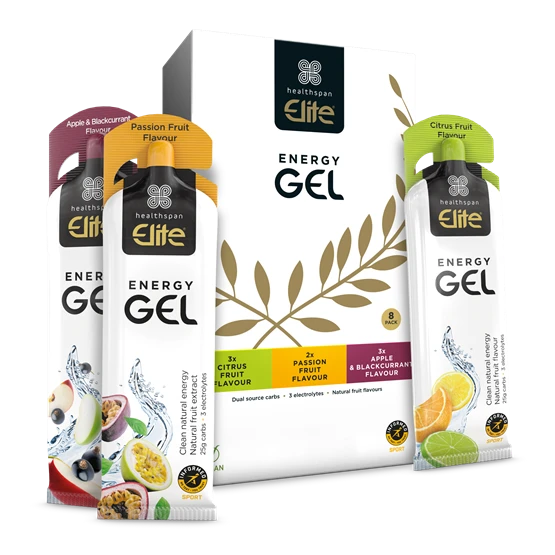
Energy Gel – Mixed Pack
Fast-acting dual source carbs with electrolytes for hydration support.
- 8 x natural fruit flavoured energy gels
- 25g dual source, fast-acting carbs
- 3 electrolytes for hydration support
- Uses pectin for easier digestion