
.png)
.png)
.png)
.png)
_2026122-125305.png)
_2026122-125305.png)

_2026122-125305.png)
_2026122-125305.png)
_2026122-125305.png)










Polyols, or sugar alcohols, are sweeteners found in foods like protein bars. Learn where they're used and whether they're beneficial for your health.
🕒 4 min read
Jump to:
WHAT ARE POLYOLS?
Polyols are also known as sugar alcohols, and can be found naturally in some grains, fruits, vegetables, and trees. Typical polyols include erythritol, xylitol, sorbitol, and mannitol. They can be produced synthetically, such as erythritol derived from fermented glucose, or xylitol from birch, hardwood trees and fibrous vegetation.
Polyols are used commercially as a sweetener. They are added to food and drink such as mints, baked goods and chocolate snacks, including sports snacks such as protein bars, to reduce sugar content while maintaining a sweet flavour. They are a type of carbohydrate, but one that is not fully absorbed in the gut, so they score lower on the glycaemic index than sugar and raise blood sugar levels more slowly. Polyols also don't add as much sweetness as sugar.
Polyols have advantages as a sugar substitute, but can cause problems when consumed in large amounts.
Polyols, also known as sugar alcohols, are a type of carbohydrate that can naturally occur in some fruits and vegetables. They can also be produced synthetically. Both types of polyols are commonly used in food and drink as a sweetening agent as a substitute for sugar. Polyols are not fully absorbed in the gut and, therefore, score lower on the glycaemic index than sugar and raise blood sugar levels more slowly. However, they can cause problems when consumed in large quantities.
COMMONLY USED POLYOLS
Some examples of polyols used commercially in food and drink include:
Sorbitol: Often used in sugar-free gum, candies, and baked goods to reduce sugar content, it can be found naturally in apples, cherries, pears and plums.
Xylitol: Derived from trees and found in many sweets and even toothpaste to give it a sweeter taste or naturally occurring in raspberries and strawberries.
Erythritol: A popular low-calorie sweetener produced by fermenting sugar in corn. It naturally occurs in pears, soy and grapes and is commonly found in sugar-free beverages, sweets, and biscuits.
Maltitol: Closest in taste and sweetness to sugar, this type of polyol comes from cornstarch. It is common in sugar-free chocolate and sweets.
Mannitol: Naturally found in watermelons and sweet potatoes, this sugar alcohol is a regular ingredient in sugar-free chewing gum and as a food additive in processed foods.
Isomalt: Made from sorbitol and mannitol, originally derived from sugarcane. This sugar substitute is often used in hard-boiled sweets.
Lactitol: Often found in whey products containing lactose, this sweetener is also used in sugar-free products such as ice cream, chocolate, protein powders, and bars.
Sugar-free gum: 1-2g xylitol/sorbitol per stick
Sugar-free sweets and chocolate: 1-2g xylitol/sorbitol/maltitol per serving
Sugar-free cakes and biscuits: 1-3g sorbitol, xylitol/maltitol per serving
Sugar-free drinks: 1-2g erythritol/xylitol per serving
WHAT ARE THE HEALTH BENEFITS OF POLYOLS?
1. THEY HELP REDUCE SUGAR CONSUMPTION
One of the critical benefits of polyols is that they can help people reduce their sugar intake, as they create a naturally sweet taste without the calories or spiking blood sugar levels. Polyols may be a better choice for people with insulin resistance. This condition occurs when the body becomes less responsive to insulin, leading to higher blood glucose levels after eating sugar.
Consuming more sugar can make the issue worse, as the body struggles to lower spikes in blood glucose. Polyols are slowly absorbed in the body and do not cause the same blood sugar spikes, making them a better choice of sweetener for those with this condition.
2. THEY AID WEIGHT LOSS
Sweeteners, including polyols, can help with weight loss by reducing the sugar and calorie content in food and drink. Switching to non-sugar-sweetened foods and beverages is a good alternative for those who want to satisfy a sweet craving without the excess calories.
3. THEY HELP MANAGE DIABETES
Polyols do not raise blood glucose levels in the same way as regular sugar, making them useful when managing these levels for people with diabetes. Polyols are slowly absorbed in the body and do not cause the same blood sugar spikes as natural sugar, making them a better choice of sweetener for those with this condition.
4. THEY’RE BETTER FOR DENTAL HEALTH
Polyols are not broken down by bacteria in the mouth, which means they do not contribute to the formation of cavities. Polyols may even have a protective effect on teeth. A large meta-analysis of 14 clinical trials showed that combining xylitol-sorbitol and xylitol-mannitol chewing gums had a preventative effect on cavities.1
WHAT ARE THE DRAWBACKS OF POLYOLS?
1. THEY MAY CAUSE DIGESTIVE ISSUES
One of the main drawbacks is that polyols can cause digestive issues if consumed in excess. Because the body cannot fully absorb polyols, they ferment in the large intestine, which can lead to bloating, wind, and diarrhoea. This is usually only a problem if consumed in large quantities, and some people are naturally more sensitive to polyols than others.
2. COMPROMISED TASTE
Polyols can also have a cooling effect in the mouth, which is why they are often added to sugar-free mints and gum. This also means that they may not have the same taste or texture as sugar. This may be a negative issue for some people, who may not enjoy the taste of polyol-sweetened foods or beverages.
3. THEY CAN BE SYNTHETICALLY PRODUCED
Another potential drawback of polyols is that they are sometimes synthetically produced. While some polyols, such as erythritol, occur naturally in some fruits and vegetables, most are produced synthetically. This could be an issue and make foods and drinks less appealing to those who prefer to eat whole foods and avoid highly processed ingredients.
POLYOLS VS. SUGAR
Polyols and sugar both serve as sweeteners, but they differ in their composition, calorie content, and effects on health. Here are some of the key differences:
| Feature | Polyols | Sugar |
|---|---|---|
| Calorie content | Polyols are low in calories. Typically, they provide 1.5 to 3 calories per gram. | Refined sugar contains 4 calories per gram. |
| Glycaemic index | Polyols have a lower glycaemic index, meaning they have a minimal impact on blood sugar levels. | Sugar has a high glycaemic index, causing a rapid increase in blood sugar levels. |
| Digestive impact | Can cause digestive issues like bloating, gas, and diarrhoea when consumed in excess, as they are not fully absorbed by the body. | Sugar is fully absorbed by the gut, so it is less likely to cause digestive issues. |
| Dental health | Sugar alcohols do not contribute to tooth decay. | Regular consumption of sugar can lead to tooth decay and cavities. |
IS IT HARMFUL TO EAT TOO MANY POLYOLS?
Polyols can be a valuable tool in a healthy diet, but they should be consumed in moderation. When consumed in excess, polyols can cause digestive discomfort. However, there haven’t been any major long-term risks associated with polyol consumption. Health organisations globally recommend that people limit their intake of polyols to no more than 10-15 grams per day to avoid digestive issues. Food labelling guidance also states that any food containing more than 10% added polyols should state, 'excessive consumption may produce laxative effects.'
WHO ARE POLYOLS NOT SUITABLE FOR?
Due to their effect on the digestive system, polyols may not be suitable for those with sensitive stomachs or conditions like Irritable Bowel Syndrome (IBS). In particular, sorbitol and mannitol can cause bloating and diarrhoea, so they should be avoided by those who are already prone to these symptoms. Additionally, polyols should be avoided in large amounts by children, as their digestive systems are still developing and, therefore, may be more susceptible to discomfort caused by sugar alcohol.
DOES HEALTHSPAN ELITE PROTEIN CONTAIN POLYOLS?
Our protein powders and bars are crafted to the highest standards for safety and performance enhancement. We use a small amount of polyols to deliver optimal taste. With just 8.1g of polyols per bar—less than half of what’s in Grenade protein bars—our products offer a well-balanced option to help you reach your protein goals.
Explore our full range of protein supplements designed for athletes.
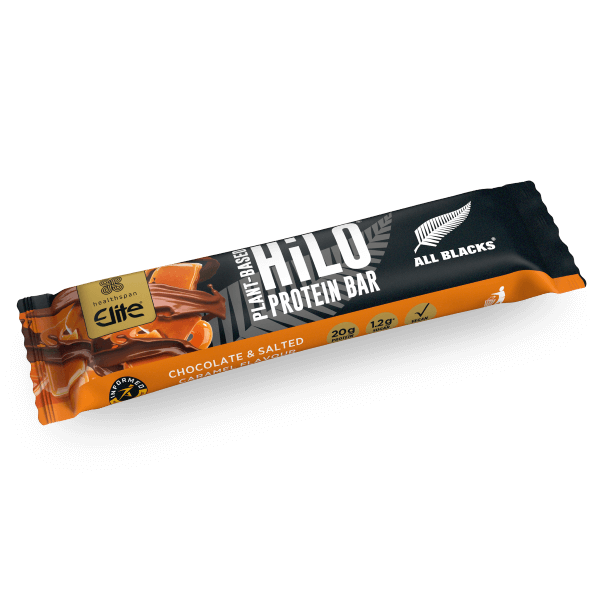
All Blacks Plant-Based HiLo Protein Bar
Delicious protein bars packed with 20g protein
- As little as 8.1g polyols per bar – less than half of Grenade protein bars
- Chocolate and Salted Caramel, Black Forest Gateau and White Chocolate Raspberry flavours
- 7.8g fibre per bar, only 1g sugar
Fuel your goals with our ultimate protein collection.
Top ↑