
.png)
.png)
.png)
.png)
_2026122-125305.png)
_2026122-125305.png)

_2026122-125305.png)
_2026122-125305.png)
_2026122-125305.png)









Protein powder can be a valuable addition to most people's diets, whether you're an athlete, gym-goer, or simply looking to increase your protein intake. Whilst whole food sources should form the foundation of your nutrition, protein supplements offer a convenient and efficient way to meet your daily protein requirements, support muscle recovery and achieve fitness goals.
Jump to:
What does protein powder do?
Protein powder provides your body with essential amino acids needed to build and repair muscle tissue, support immune function and maintain various bodily processes. When you consume protein powder, it's digested into amino acids that enter your bloodstream and travel to where they're needed most.
Here’s what protein powder does for your body:
- It repairs any muscle damage during and after exercise: When exercising, your muscles experience microscopic damage. Protein supplies the amino acids needed to fix this damage, helping muscles grow stronger and recover faster.
- It helps to build new muscle tissue: Studies show that consuming protein supports muscle protein synthesis, the process your body uses to build new muscle tissue.
- It helps preserve lean muscle mass during weight loss: When you're in a calorie deficit, your body can break down muscle for energy if protein intake isn't sufficient. Adequate protein consumption, supported by supplements when needed, helps maintain muscle whilst you lose fat.
- It helps manage appetite: Protein is the most satiating macronutrient, meaning it keeps you feeling fuller for longer compared to carbohydrates or fats. This makes protein a valuable powder for anyone trying to control their calorie intake without constant hunger.
Learn more in our guide to why we need protein.
Is protein powder good for weight loss?
Yes, protein powder can support weight loss by helping you maintain muscle mass, manage appetite and meet protein requirements whilst in a calorie deficit. However, it's not a magic solution as weight loss ultimately depends on consuming fewer calories than you burn.
Protein's satiating effect makes it valuable for weight management. Studies show that increasing protein intake helps reduce overall calorie consumption because protein-rich meals and snacks keep you fuller for longer. A protein shake between meals can prevent hunger-driven poor food choices.
Adequate protein also plays a key role in protecting muscle during weight loss. In a calorie deficit, insufficient protein can lead the body to break down muscle tissue for energy. Maintaining muscle supports metabolic rate and makes long-term weight maintenance easier.
Protein powder is practical and easy to track, with known calories and macronutrients. It works well as a meal replacement or filling snack, provided it replaces calories rather than adding to them. If protein shakes increase your total intake, they can hinder weight loss rather than help.
For best results, use protein powder alongside whole-food protein sources, vegetables, fruits, balanced carbohydrates, and healthy fats. This approach supports sustainable weight loss while maintaining overall health.
What are the pros and cons of protein powder?
- Convenience: Quick to prepare, ideal for busy schedules, post-workout nutrition, or travel when whole foods aren’t practical.
- Nutrition control: Each serving delivers a known amount of protein, calories, and macronutrients, making tracking easy.
- Cost-effective: Often cheaper per gram of protein than lean meats and fish, especially for high protein needs.
- Versatile: Can be added to porridge, smoothies, pancakes, or baked goods to boost protein without greatly altering taste or texture.
- Less nutritionally complete: Provides protein but lacks vitamins, minerals, and fibre found in whole foods.
- Digestive issues: Some people experience bloating or discomfort depending on the protein type.
- Quality variation: Products differ in purity and labelling accuracy, so brand choice is important.
- Taste preferences: Flavour and texture can be off-putting for some, though recipes and flavour options can help.
- Upfront cost: Higher-quality powders require more upfront investment, though they may be economical over time.
Do you actually need protein powder?
Whether you need protein powder depends on your protein requirements, dietary preferences and lifestyle. Many people meet their protein needs through whole-food sources like meat, fish, eggs, dairy, legumes, and nuts.
However, protein powder becomes practical when:
- You struggle to consume enough protein from food alone: Athletes and people training regularly may need 1.6-2.2g of protein per kilogram of bodyweight daily. For an 80kg person, that's 128-176g of protein - roughly equivalent to 5-7 chicken breasts. Achieving this through whole foods alone can feel like a full-time job.
- You follow a plant-based diet: Whilst plant foods contain protein, they often provide lower amounts per serving and may lack certain essential amino acids. Plant protein powders offer a concentrated source that helps vegans and vegetarians meet their requirements more easily. Read more in our guide to vegan protein.
- Your schedule makes meal preparation challenging: Protein powder takes 30 seconds to prepare, making it invaluable for busy professionals, shift workers or anyone whose lifestyle doesn't always allow time for proper meals.
- You're trying to manage your weight: Protein shakes provide portion-controlled nutrition with a known macronutrient profile, helping you track intake accurately whilst managing hunger.
You can absolutely meet your protein needs without supplements. Protein powder makes it easier and more convenient. Think of it as a tool that supports your nutrition strategy rather than a mandatory requirement.
What is the best protein powder?
The best protein powder depends on your dietary requirements, fitness goals and personal preferences. Several types exist, each with distinct characteristics:
Whey protein
Whey protein powder is derived from whey, a byproduct of cheese production, and is the most researched and widely used protein supplement. It's a complete protein, providing all 9 essential amino acids your body needs but cannot produce.
Whey digests quickly, making it ideal post-workout when your muscles need rapid amino acid delivery. Research shows whey protein effectively stimulates muscle protein synthesis, supporting recovery and growth. It typically contains 20-25g of protein per serving with minimal carbohydrates and fat.
Whey comes in several forms:
- Whey concentrate contains 70-80% protein with small amounts of lactose and fat.
- Whey isolate undergoes additional processing to remove nearly all lactose and fat, providing 90%+ protein.
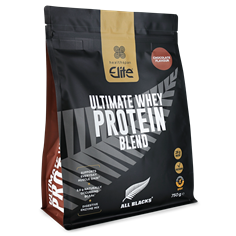
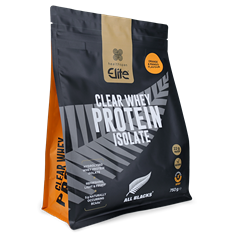
Healthspan Elite offers both All Blacks Clear Whey Protein Isolate for a light, refreshing option, and traditional whey protein powders for those who prefer a creamier shake. Discover more in our guide to getting started with whey protein.
Plant protein
Plant protein powders suit vegans, people with dairy allergies and those who prefer plant-based nutrition. Common sources include pea, rice, hemp and soya.
Single-source plant proteins often lack one or more essential amino acids, making them incomplete proteins. However, many plant protein supplements combine multiple sources - typically pea and rice to create a complete amino acid profile that rivals whey protein's effectiveness.
Plant proteins digest slightly slower than whey, which can benefit sustained amino acid release. They typically contain more fibre than dairy-based proteins, supporting digestive health. Some people find plant proteins less likely to cause digestive discomfort than whey.
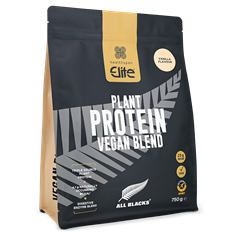
Healthspan Elite's plant protein range provides high-quality vegan options that deliver complete amino acid profiles. Read our guide to the differences between plant protein, whey protein and protein isolate for detailed comparisons.
Mass gain protein blends
Mass gain proteins contain higher calories and carbohydrates alongside protein, designed for people struggling to gain weight or muscle mass. These products typically provide 400-1,000 calories per serving with 30-60g of protein and substantial carbohydrate content.
Mass gainers work for naturally lean individuals with fast metabolisms who find it challenging to eat enough solid food. They're also useful during intensive training phases when energy requirements increase dramatically.
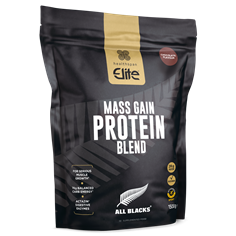
However, most people don't need mass gainers. If you're trying to lose fat or maintain weight, standard protein powder with controlled calories suits you better. Healthspan Elite All Blacks Mass Gain Protein Blend is a high-quality option for those with legitimate mass-gain needs.
Choosing the right protein powder
Consider these factors when selecting protein powder:
- Your dietary requirements: If you're vegan or lactose intolerant, plant proteins or whey isolate suit you. If you have no dietary restrictions, whey protein typically offers the best combination of effectiveness, taste and value.
- Your fitness goals: Standard protein powder suits most needs. Mass gainers help people struggling to gain weight. Protein blends combining fast and slow-digesting proteins provide sustained amino acid release.
- Taste preferences: Most brands offer sample sizes or sachets; try several flavours before buying large containers. Chocolate and vanilla remain popular because they're versatile, but there are many options.
Healthspan Elite's protein powder range offers options for various needs, all backed by Informed Sport certification and formulated using quality ingredients. Whether you need whey clear, plant-based, or specialised blends, you'll find science-backed options designed for performance.
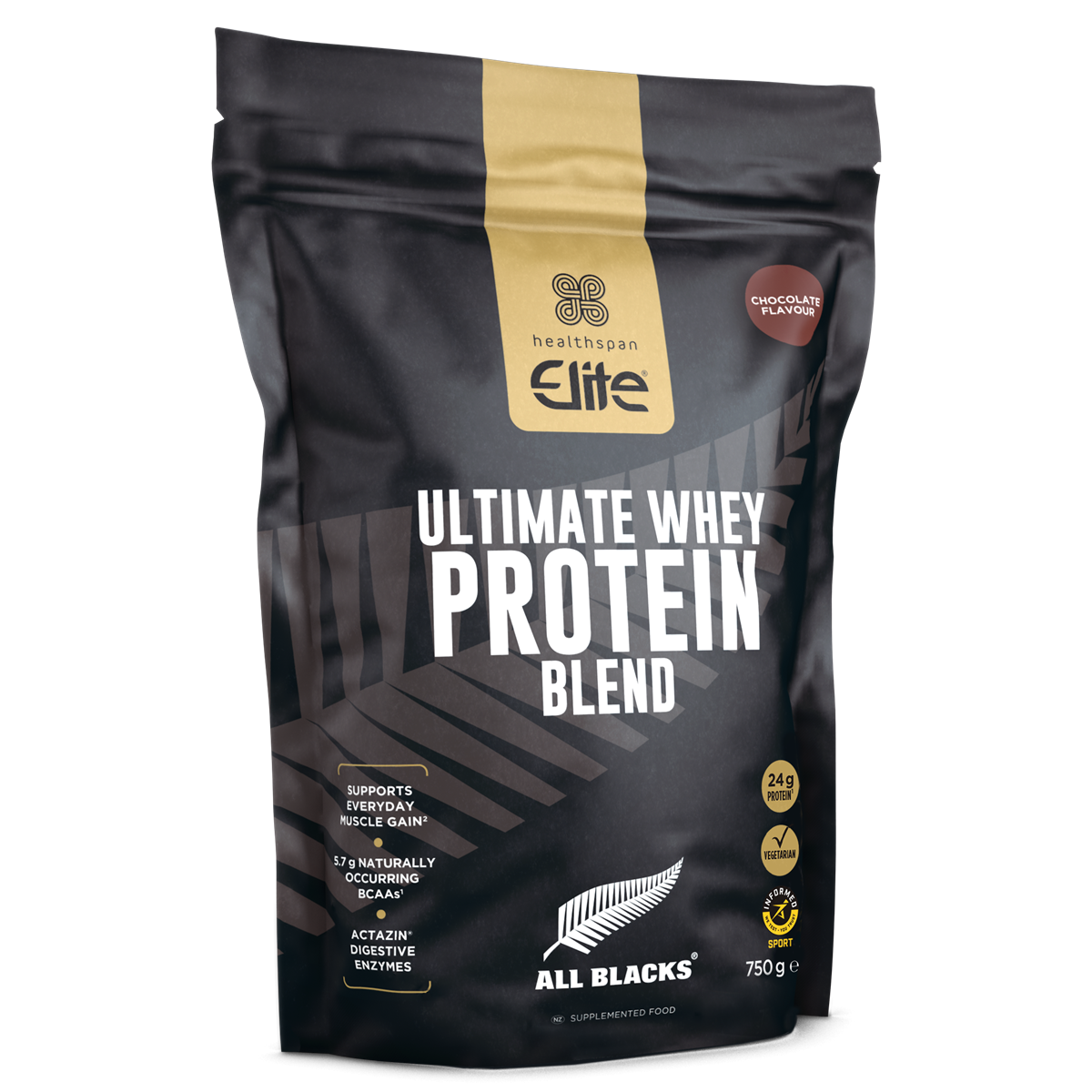
Healthspan Elite Protein Supplements
Protein powders, bars and blends for training and recovery
- Includes whey protein powders, clear whey, vegan protein, mass gain protein and protein bars.
- Options designed to support muscle recovery, growth and everyday protein intake.
- Products across the range deliver 20-28g of high-quality protein per serving.
- Suitable for different goals, tastes and dietary preferences.
- Every batch is independently tested by Informed Sport for banned substances.
How much protein powder per day?
Most people benefit from 20-40g of protein powder per serving, typically one to two servings daily, depending on total protein requirements.
How much protein powder you need a day depends on several factors:
- Your bodyweight and activity level: General population recommendations suggest 0.8-1.0g per kilogram of bodyweight daily. Athletes and people training regularly need more - typically 1.6-2.2g per kilogram.
- Timing matters: Research suggests distributing protein intake evenly across meals optimises muscle protein synthesis better than consuming most protein in one sitting. Aim for 20-40g of protein every 3-4 hours throughout the day.
One protein shake typically contains 20-30g of protein, making it easy to supplement one or two meals or post-workout nutrition. For most healthy adults, staying within 2.2g per kilogram of bodyweight keeps them well within safe limits. Learn more in our guide to how much protein I need.
Is protein powder bad for you?
Protein powder is safe for most healthy adults when consumed in appropriate amounts. Decades of research on protein supplementation show no adverse effects in people without pre-existing kidney conditions when intake remains within reasonable levels.
However, certain situations warrant caution:
- Potential digestive issues: Some people experience bloating, gas or stomach discomfort when first using protein powder. This often relates to lactose content in whey concentrate. Switching to whey isolate typically resolves these issues. Plant proteins can cause similar symptoms in some individuals due to fibre content, though this usually improves as your digestive system adapts. Ensure you start with smaller servings and take them with food rather than on an empty stomach.
- Kidney concerns: People with existing kidney disease should consult healthcare professionals before increasing protein intake through supplements or food. For healthy individuals, protein powder doesn't cause kidney damage. If you have concerns about kidney function, speak to your GP before significantly increasing protein intake.
- Quality and contamination: Not all protein powders meet the same quality standards. However, Healthspan Elite products are Informed Sport certified, meaning every batch undergoes independent testing for banned substances. This certification assures that the label matches the product.
- Nutritional balance: Protein powder shouldn't replace varied, whole food nutrition. Whilst convenient, supplements lack the vitamins, minerals, fibre and phytonutrients found in whole foods. Use protein powder to complement your diet, not as a primary source of protein.
How to use protein powder effectively
1. Post-workout timing
Consuming protein after training supports recovery by providing amino acids for muscle repair. The "anabolic window", the supposed critical period immediately post-workout, isn't as narrow as once believed. Having protein within 1-2 hours after training works well for most people, though immediate consumption won't harm.
Mix your protein powder with water for quick digestion, or with milk for additional calories and a creamier texture. Adding fruit, nut butter, or oats creates a more substantial recovery shake with extra nutrients.
2. Between meals
Protein shakes make effective between-meal snacks that manage hunger without excessive calories. A mid-morning or mid-afternoon shake prevents energy dips and reduces the likelihood of poor food choices.
This strategy particularly benefits people with long gaps between proper meals or those struggling to meet protein requirements solely through main meals.
3. Meal replacement
Protein powder can occasionally replace meals, when necessary, though this shouldn't become regular practice. Add ingredients that provide a more complete nutritional profile: oats for carbohydrates and fibre, nut butter for healthy fats, and fruit for vitamins and minerals.
A shake with protein powder, oats, banana, spinach and almond butter approximates a balanced meal's macronutrient profile, though it still lacks the micronutrients, fibre and satiety of whole food meals.
4. Cooking and baking
Protein powder works in pancakes, porridge, energy balls, protein bars and baked goods, increasing protein content whilst adding flavour. This proves beneficial for people who dislike drinking shakes but want the convenience of protein supplementation.
Use unflavoured or vanilla protein powder in savoury dishes. Chocolate and flavoured varieties work better in sweet recipes. Heat doesn't destroy protein's nutritional value, though very high temperatures may affect texture in baking.
The bottom line on protein powder
So, to answer the question, protein powder is good for you. It offers a convenient, cost-effective way to meet daily protein needs, support muscle recovery, and aid weight management, especially for athletes, active individuals, or those who struggle to get enough protein from food alone.
While you don’t need protein powder, supplementing it makes hitting targets easier, particularly on workout days or busy days. Ensure you choose high-quality brands, use them to complement whole foods, and adjust intake based on your bodyweight and activity level for safe, effective results.
Need help getting started? Read our guide to gym training for beginners or explore our complete range of protein supplements to find what works for you.
Quality Assurance
When choosing a protein powder, quality assurance is important. Healthspan Elite protein supplements are independently tested through the Informed Sport Program, helping provide reassurance for athletes and active individuals who want products tested for banned substances.