
.png)
.png)
.png)
.png)
_2026122-125305.png)
_2026122-125305.png)

_2026122-125305.png)
_2026122-125305.png)
_2026122-125305.png)









Whey protein has become one of the most popular supplements for athletes, fitness enthusiasts and anyone looking to increase their protein intake. But with so much conflicting information out there, you might be wondering: is whey protein good for you or could it be doing more harm than good?
Jump to:
The short answer is that for most people, whey protein is a safe and beneficial supplement when used appropriately. However, like any supplement, it's not suitable for everyone, and excessive consumption can lead to unwanted side effects. In this article, we explain what whey protein is, its health benefits, potential drawbacks and how to use it safely.
What is whey protein?
Whey protein is one of the two main proteins naturally found in milk, alongside casein. During the cheese-making process, milk separates into curds and liquid - the liquid portion is whey. This whey is carefully filtered to remove fats and carbohydrates, then dried into a fine powder to create whey protein supplements.
Whey protein is considered a complete protein, meaning it contains all nine essential amino acids that the body can’t produce on its own. It’s also fast-digesting and highly bioavailable, which makes it particularly effective for supporting muscle growth, maintenance and recovery, as well as contributing to overall daily protein intake.
Types of whey protein
There are three main types of whey protein, created through different levels of processing. These processing methods affect protein content, digestion speed, and the amount of lactose and fat each type contains:
- Whey protein concentrate contains around 70-80% protein, along with some lactose and fat. It's the least processed form and tends to taste better due to its natural milk sugar content.
- Whey protein isolate is more refined, containing 90% or more protein with minimal lactose and fat. Due to the increased processing, many people ask: Is whey protein isolate good for you? Like all other types, whey protein isolate is healthy for most people in moderation. It offers the same benefits as concentrate but with fewer calories and carbohydrates, making it more suitable for those who are lactose intolerant or watching their calorie intake.
- Whey protein hydrolysate is pre-digested, meaning it's partially broken down to make it easier for your body to absorb quickly. It typically contains 80-90% protein and is the fastest-absorbing form of whey. This makes it particularly suited to athletes looking for rapid post-workout recovery or people with digestive sensitivities who struggle with other forms of whey protein. However, it's usually the most expensive option and can have a slightly bitter taste.
You might also come across organic whey protein. This comes from cows not treated with hormones or antibiotics, which some people prefer for environmental or ethical reasons.
For more details on the different types, read our guide to plant protein, whey protein, and clear protein isolate.
Is clear whey protein good for you?
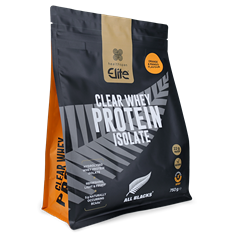
Clear whey protein has become increasingly popular as a lighter, more refreshing alternative to traditional milky protein shakes. It provides the same protein benefits as regular whey protein isolate. Clear whey is made by filtering whey protein isolate and mixing it with fruit flavourings to create a juice-like drink rather than a creamy shake. The main difference is the texture and taste, not the nutritional profile. It's simply a matter of personal preference.
Why do we use whey protein?
People turn to whey protein for several practical reasons. It's one of the most convenient ways to increase your protein intake without adding excessive calories or fat to your diet. A single scoop typically provides 20-30g of high-quality protein in seconds, making it ideal for busy lifestyles.
Whey protein is a complete protein, containing all nine essential amino acids needed for muscle repair, immune health and everyday metabolic functions. It’s also rapidly absorbed, making it particularly effective after exercise, when muscles need protein quickly to support recovery and growth. It is also used to help older adults, those recovering from illness, and anyone struggling to meet protein needs through food alone.
What are the benefits of whey protein?
Research shows that whey protein offers several evidence-based health benefits when consumed as part of a balanced diet:
- Supports muscle growth and recovery: Whey protein is rich in branched-chain amino acids (BCAAs), particularly leucine, which plays a key role in stimulating muscle protein synthesis. Studies show that consuming whey protein after resistance training can enhance muscle growth and improve recovery time.
- Helps with weight management: Protein is the most satiating macronutrient, meaning it helps you feel fuller for longer. Research found that increasing protein intake can reduce overall calorie consumption and support weight loss efforts. Whey protein can be particularly useful if you're trying to maintain muscle mass while reducing body fat, as adequate protein intake helps preserve lean tissue during calorie restriction.
- May support immune function: Whey protein contains immunoglobulins and lactoferrin, compounds that support immune health. Some research suggests that whey protein supplementation may enhance immune function, particularly during periods of intense physical stress.
- Can help lower blood pressure: Several studies have shown that whey protein may have a modest blood pressure-lowering effect.
- Supports bone health: The protein in whey helps maintain bone density and strength. Combined with resistance training, adequate protein intake is important for maintaining skeletal health as we age.
What are the side effects of whey protein?
While whey protein powder is generally safe, there are some situations where it might not be suitable or could cause unwanted effects.
- Digestive issues: Some people experience bloating, gas, stomach cramps or diarrhoea when consuming whey protein. This is often due to lactose intolerance, as whey concentrate contains small amounts of milk sugar. If this affects you, switching to whey protein isolate (which has minimal lactose) may help.
- Not suitable for those with dairy allergies: If you have a milk allergy, whey protein is not safe for you as it's derived from dairy. You'll need to choose plant-based protein alternatives instead. Our beginner’s guide to vegan protein has more information on this.
- May interact with certain medications: Whey protein can interact with some medications, including those for Parkinson's disease and antibiotics. If you take regular medication, speak with your doctor before adding whey protein to your routine.
- Kidney concerns in those with existing kidney disease: While normal whey protein consumption doesn't cause kidney damage in healthy people, those with existing kidney disease should be cautious with high-protein diets. Research shows that healthy kidneys can easily handle typical protein intakes, but if you have kidney problems, consult your doctor before using protein supplements.
How much whey protein should you have per day?
The amount of whey protein you need depends on your body weight, activity level and overall dietary protein intake. For general health and muscle maintenance, aim for 0.8-1g of protein per kilogram of body weight daily from all sources, not just supplements. For someone weighing 70kg, this would be around 56-70g of protein per day.
If you're regularly doing resistance training or endurance exercise, research suggests increasing this to 1.2-2g per kilogram of body weight to support muscle growth and recovery.
A typical serving of whey protein powder provides 20-30g of protein. Most people benefit from one serving per day, often consumed after exercise. Some athletes or those with higher protein requirements might use two servings daily. Remember that whey protein is a supplement; therefore, it should complement a balanced diet rich in whole-food protein sources like meat, fish, eggs, dairy, legumes, and nuts, not replace them entirely.
For more advice on dosage, read our guide to getting started with whey protein and discover the best protein sources to support your intake through diet.
Is too much whey protein bad for you?
While protein is essential, more isn't always better. Here are signs you might be consuming too much:
- Digestive problems: Persistent bloating, constipation, diarrhoea or stomach discomfort can indicate you're consuming more protein than your body can comfortably process.
- Unexplained weight gain: Whey protein powders contain calories. If you're adding multiple scoops daily without adjusting your overall calorie intake, you might gain unwanted weight.
- Bad breath: When you consume excessive protein, particularly on a low-carbohydrate diet, your body produces ketones, which can cause unpleasant breath.
- Dehydration: High protein intake increases your body's nitrogen waste, which requires more water to flush out. If you're not drinking enough water, you might feel dehydrated.
- Nutritional imbalances: Relying too heavily on protein supplements can mean you're missing out on other important nutrients found in whole foods.
If you experience any of these symptoms, consider reducing your protein powder intake and ensuring you're getting adequate hydration and a varied diet.
For more signs of too much protein, read our article: Is protein bad for you?
The bottom line: Is whey protein good for you?
For most healthy people, whey protein powder is good for you when used appropriately. It's a convenient, high-quality protein source that can support muscle growth, recovery and overall health goals. The key is to use it as intended, as a supplement to a balanced diet, not a replacement for whole foods. One to two servings per day is sufficient for most people, and you should always ensure you're drinking plenty of water and consuming a varied diet rich in fruits, vegetables, whole grains and other protein sources.
However, whey protein isn't suitable for everyone. If you have a dairy allergy, kidney disease, or experience persistent digestive issues, it's best to explore alternative protein sources or consult with a healthcare professional.
Why formulation matters
Not all whey protein powders are the same, and quality can vary widely. Some products contain added sugars, artificial sweeteners or unnecessary fillers that don’t support your health goals. That’s why it’s important to check the ingredients list, prioritise products with whey protein as the main ingredient, and look for a protein content of around 20g per serving with minimal extras. Independent testing and suitability for your dietary needs, such as low lactose options, are also key factors to consider.
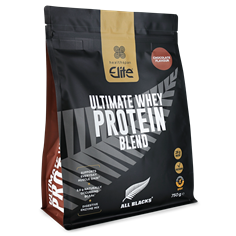
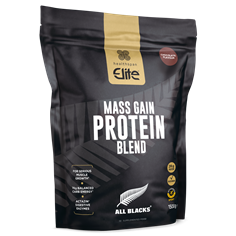
The Healthspan Elite whey protein range is carefully formulated with quality and effectiveness in mind. Our products use high-quality whey sources, are independently tested, and are designed to deliver optimal protein levels without unnecessary additives. Created to support muscle maintenance, recovery and overall wellbeing, Healthspan Elite whey proteins fit easily into a balanced lifestyle, helping you meet your nutritional needs with confidence.
Read more about our Elite All Blacks Ultimate Whey Protein Blend, co-created with the New Zealand All Blacks rugby team.
In summary, whey protein isn’t bad for you when used sensibly and as part of a balanced diet. For most people, it’s a safe, effective way to support muscle health, recovery and daily protein needs, particularly when food intake alone falls short. Choosing a high-quality product and using it in the right amounts is key. If you have underlying health conditions or specific dietary concerns, it’s always worth speaking to a healthcare professional before adding whey protein to your routine.