
.png)
.png)
.png)
.png)
_2026122-125305.png)
_2026122-125305.png)

_2026122-125305.png)
_2026122-125305.png)
_2026122-125305.png)









Protein is one of the three macronutrients your body relies on daily, alongside carbohydrates and fats. Whether you're training for competition, maintaining an active lifestyle, or simply trying to stay healthy, understanding why we need protein is key to optimising your nutrition and performance.
This guide explores the science behind protein, its essential roles in your body, and why getting enough through your diet matters for everyone, not just elite athletes.
What is protein?
Protein is a macronutrient made up of smaller units called amino acids. Think of amino acids as building blocks that link together in different combinations to form thousands of unique proteins in your body. There are 20 amino acids in total, nine of which are classified as 'essential' because your body can't produce them on its own, meaning you must get them from food.
When you eat protein, your digestive system breaks it down into individual amino acids. These are then absorbed into your bloodstream and transported to cells throughout your body, where they're reassembled into new proteins based on your body's specific needs at that moment.
Learn more in our article: What is Protein and How Does it Help Build Muscle?
What does protein do?
The function of protein in your body is incredibly diverse, ranging from structural support in muscles and organs to regulatory roles in metabolism and immune function. Here are a few of the important processes that proteins are responsible for:
- Builds and repairs tissues: Protein forms the structural framework of muscles, bones, skin, hair and nails. When tissues are damaged through exercise, injury or daily wear and tear, amino acids from protein help repair and rebuild them.
- Makes enzymes and hormones: Many enzymes that facilitate chemical reactions in your body are proteins. Hormones like insulin, which regulates blood sugar, are also made from protein.
- Supports immune function: Antibodies that fight infections are proteins. Without adequate protein intake, your immune system can't produce enough antibodies to protect you effectively.
- Transports and stores nutrients: Protein molecules carry oxygen in your blood (haemoglobin) and help transport vitamins, minerals and fats to where they're needed.
- Provides energy: While not its primary role, protein can be broken down for energy when carbohydrates and fats are in short supply.
Why is protein important?
Protein is essential because your body can't store it the way it stores carbohydrates (as glycogen) or fats (in adipose tissue). This means you need a regular supply from your diet to maintain normal protein function throughout your body.
Without sufficient protein, your body enters a catabolic state where it begins breaking down muscle tissue to access the amino acids it needs for critical functions. This leads to muscle loss, which reduces strength, slows metabolism and compromises physical performance. A protein deficiency can also result in a weakened immune system, making you more susceptible to infections. You might experience slower wound healing, brittle hair and nails, fluid retention and swelling, and persistent fatigue. In severe cases, long-term protein deficiency can lead to conditions like kwashiorkor, though this is rare in developed countries.
For athletes and active individuals, inadequate protein intake means longer recovery times, increased injury risk and an inability to build or maintain muscle mass despite consistent training.
What are the benefits of protein?
Getting enough protein offers numerous health and lifestyle advantages, such as:
- Supports muscle growth and maintenance: Protein provides the amino acids needed to build new muscle fibres after resistance training and prevent muscle loss as you age.
- Aids recovery: Post-exercise, protein helps repair damaged muscle fibres and replenish energy stores, reducing soreness and speeding up recovery between sessions.
- Keeps you feeling full: Protein is the most satiating macronutrient, meaning it helps you feel fuller for longer. This makes it easier to manage appetite and maintain a healthy body composition.
- Preserves bone health: Research shows adequate protein intake supports bone mineral density and may reduce the risk of fractures, particularly when combined with calcium and vitamin D.
- Supports metabolic health: Protein has a higher thermic effect than other macronutrients, meaning your body burns more calories digesting it. This can support weight management and metabolic function.
For a comprehensive look at how protein impacts your health, read our article: Is protein good for you?
How much protein do we need?
The amount of protein you need depends on factors like age, sex, activity level and training goals. Current UK guidelines recommend 0.75g per kilogram of body weight per day for sedentary adults, but active individuals and athletes typically need significantly more.
Those engaged in regular resistance training might benefit from 1.6-2.2g per kilogram of body weight, while endurance athletes often require 1.2-1.6g per kilogram. Older adults may also need higher intakes to preserve muscle mass.
For detailed guidance on your specific protein requirements, including how to calculate your optimal intake, read our comprehensive guide: How much protein do I need?
Why do we need protein in our diet?
Why do we need protein specifically from food? Because your body can only synthesise 11 of the 20 amino acids it requires. The remaining nine essential amino acids must come from dietary sources. Without them, your body simply can't produce the thousands of proteins required for normal function. Food is your primary source of protein, and the quality matters. Complete proteins contain all nine essential amino acids in adequate amounts, while incomplete proteins lack one or more. Animal sources like meat, fish, eggs and dairy are complete proteins, while most plant sources are incomplete, though combinations like rice and beans together provide all essential amino acids.
Different protein sources also offer varying levels of bioavailability, which refers to how efficiently your body can absorb and use the amino acids. To explore the best options for your needs and learn about complete versus incomplete proteins, discover our article on the best protein sources.
Why use protein powder?
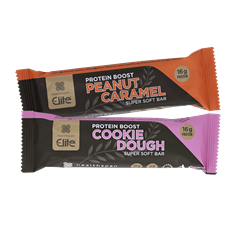
While it’s entirely possible to meet your protein needs through whole foods, many individuals choose to supplement with protein powder for practical reasons. It offers a convenient, quick-to-prepare way to deliver a precise dose of high-quality protein, particularly around training when muscles are primed for recovery. Similarly, protein bars offer an easy, no-prep alternative for hitting your protein targets when you’re on the move.
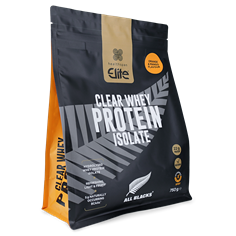
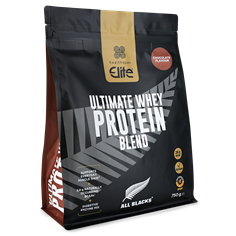
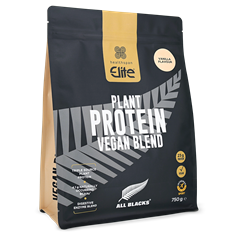
Protein powder can also help those with higher requirements reach their intake targets without excessive food volume, and it’s easy to use when travelling or managing a busy schedule. With options such as whey, casein and plant-based proteins, supplementation can be tailored to different goals, digestion rates and dietary preferences. Learn more about the different types and their benefits in our guide to plant protein, whey protein, and clear protein isolate.
Quality Assurance
Healthspan Elite's protein supplements deliver 20-25g of high-quality protein per serving, formulated for optimal absorption and recovery. Our whey protein products use premium concentrate and isolate forms with complete amino acid profiles, and every batch is independently tested by Informed Sport for banned substances. Browse our full range of protein supplements designed to support your training and recovery.
Protein plays a fundamental role in keeping your body strong, resilient and functioning at its best. From supporting muscle repair and immune health to aiding recovery and long-term performance, getting enough high-quality protein should be a priority for anyone with an active lifestyle. By understanding your individual needs and choosing the right protein sources, you can better support your training, recovery and overall health, both now and in the long term.