
.png)
.png)
.png)
.png)
_2026122-125305.png)
_2026122-125305.png)

_2026122-125305.png)
_2026122-125305.png)
_2026122-125305.png)










Training creates the stimulus, but recovery is where your body repairs, adapts and prepares for what comes next. A consistent recovery routine should bring together nutrition, hydration, movement and sleep rather than relying on one isolated strategy.
- Prioritising post-session nutrition to support recovery.
- Replacing fluid and electrolytes after hard training.
- Using movement and sleep as part of a consistent recovery routine.
Jump to:
Performance Recovery
You plan your training. You book your races. You research your supplements and show up consistently, even when life gets in the way. The effort you put into your training is real and it deserves to be matched by the effort you put into your recovery.
Because here is the truth that most people skip past: you do not just get fitter during a session. You get fitter in the hours and days after it, when your body repairs, adapts, and rebuilds. If your recovery is an afterthought, your training is only doing half the job.
This is something I see applied rigorously at the elite level. Working with England athletes, recovery is treated as seriously as the session itself. It is structured, intentional, and non-negotiable. And the principles behind it are not complicated, they just require the same commitment you already give to your training.
Nutrition: The Foundation of Every Recovery
The 30 to 90 minutes after a hard session is the most important nutritional window of your day. Your glycogen stores are depleted, your muscle fibres are broken down, and your body is primed to absorb what you give it. Miss this window and you are starting the next session already behind.
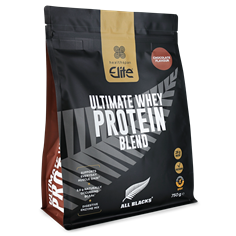
What you need is simple: protein to initiate muscle repair and carbohydrates to replenish your energy stores. A protein shake and a banana. Greek yoghurt with granola. A recovery smoothie. It does not need to be a full meal, it just needs to happen.
Then, within two to three hours, eat a proper balanced meal. Lean protein, quality carbohydrates, colourful vegetables and fluids. Think of it as laying the building blocks for the version of you that shows up to the next session.
One thing I also pay close attention to with the athletes I work with is anti-inflammatory nutrition in the recovery window. Berries, leafy greens, oily fish, nuts. These are not just health foods, they actively support the body's repair process and reduce the soreness that derails your next session.
Hydration: More Than Just Drinking Water
Most athletes finish a session, drink a bit of water, and consider themselves hydrated. They are not.
When you sweat, you lose water but you also lose electrolytes — sodium, potassium, magnesium. These are not just background details. They govern muscle function, nerve signalling, and how effectively your body actually absorbs the fluids you drink. Replacing water without replacing electrolytes means your body cannot fully rehydrate, no matter how much you drink.
The fix is straightforward: after any session involving significant sweat output, a long run, a Hyrox session, a hard gym class, add electrolytes to your post-session drink. It will reduce cramping, speed up rehydration, clear brain fog faster, and make a noticeable difference to how you feel within the hour.
Aim to have your urine back to a pale straw colour within two hours of finishing. If you're still dark yellow two hours later, you haven't rehydrated, regardless of how much you've drunk.
Movement: Active Recovery Is Still Recovery
Recovery does not mean lying on the sofa for 48 hours. In fact, complete inactivity after a hard session often makes soreness worse, not better. What your body needs is gentle, intentional movement that promotes blood flow, reduces stiffness, and brings your nervous system down from the stress state a hard session puts it in.
Ten to fifteen minutes of yoga or mobility work after training is one of the most underused tools in the everyday athlete's toolkit. It does not need to be a full session. Hip flexors, thoracic rotation, hamstrings, shoulders, a simple flow targeting whatever your session loaded most. This is standard practice at elite level and it makes a significant difference to how athletes feel the following morning.
I personally take ten minutes post-session to do exactly this. No phone. No rushing off. Just movement, breath, and letting my nervous system settle. It sounds simple because it is, but the consistency of it is what creates the compound effect over a season of training.
On full rest days, a 20 to 30 minute walk does more for your recovery than you might expect. It keeps blood moving, supports sleep quality, and manages the cortisol load that hard training accumulates.
The Bottom Line
The athletes who perform consistently are not always the ones who train the hardest. They are the ones who recover the best. You have already committed to doing the hard part. Now give the recovery the same energy.
- Hit your post-session nutrition window within 30 to 90 minutes, every time.
- Add electrolytes after any session with significant sweat loss.
- Follow hard session with 10-15 minutes of mobility, yoga.
- Prioritise sleep, it is where you adapt and recover.
- Maximise performance nutrition 30-90mins post session.
Quality Assurance
Quality assurance is an important consideration when choosing sports nutrition products. Athletes should look for products that are manufactured to high standards and, where relevant, tested through recognised third-party programmes such as the Informed Sport Program.