
.png)
.png)
.png)
.png)
_2026122-125305.png)
_2026122-125305.png)

_2026122-125305.png)
_2026122-125305.png)
_2026122-125305.png)









Sodium, potassium, calcium and magnesium appear on almost every electrolyte label. Understanding what each one does, where it comes from and when replacement is useful can help you make more informed decisions around training, hydration and recovery.
- What electrolytes are and how they support the body.
- The individual roles of sodium, potassium, calcium and magnesium.
- When food may be enough and when supplementation may be useful.
🕒 4 min read
Why Electrolytes Matter
You have seen them on supplement labels, sports drinks and electrolyte products: sodium, potassium, calcium and magnesium. But if someone asked what each one does and why it matters during training, could you answer?
Most athletes cannot, and that is understandable because the role of each electrolyte is not always clearly explained. Athletes are often handed a product, told to take it and left to work out the rest.
This article explains what is on the label, what each electrolyte does and why each one earns its place.
What Electrolytes Actually Are
Electrolytes are minerals that carry an electrical charge when dissolved in bodily fluids. They help regulate fluid balance, nerve signalling and muscle function, while minerals such as calcium and magnesium also contribute to processes including bone health and energy metabolism.
Sweat contains sodium alongside smaller quantities of potassium, calcium and magnesium. However, the amount of fluid and each electrolyte lost can vary substantially according to the athlete, exercise intensity, duration, environment, heat acclimatisation and individual sweat composition (1,2).
This means electrolyte replacement should be matched to the demands of the session rather than treated as an identical requirement after every workout.
- Sodium: Fluid balance and fluid retention.
- Potassium: Normal muscle and nerve function.
- Calcium: Bone health and muscle contraction.
- Magnesium: Energy metabolism and normal muscle and nerve function.
Sodium
Sodium is generally the electrolyte lost in the greatest quantity through sweat and is particularly relevant to hydration. It helps regulate fluid balance and supports the retention of fluid within the body.
Plain water may be sufficient after shorter or lower-sweat sessions. However, a sodium-containing drink can be useful following prolonged exercise, heavy sweat losses, training in the heat or when rapid rehydration is required before another session (1,2).
Useful dietary sources of sodium include table salt, olives, pickles, soups, sauces and stock. Athletes with particularly high sweat rates or salty sweat may require a more personalised replacement strategy.
- Long or high-intensity training sessions.
- Exercise in hot or humid conditions.
- High individual sweat losses.
- Multiple training sessions within a short period.
- When rapid post-exercise rehydration is required.
Potassium
Potassium works alongside sodium to support normal muscle function and nerve signalling. Movement of sodium and potassium across cell membranes is fundamental to the electrical activity involved in nerve impulses and muscle contraction.
Potassium is sometimes presented as a simple answer to exercise-associated muscle cramp. However, cramp is multifactorial and can involve neuromuscular fatigue, training status, previous cramping history, pacing and several individual risk factors. It should not automatically be attributed to low potassium or dehydration alone (3).
Good food sources of potassium include potatoes, sweet potatoes, bananas, avocados, beans, lentils, yoghurt and leafy green vegetables.
Calcium
Calcium is commonly associated with bone health, but it also has an important role in muscle contraction and normal nerve signalling.
For athletes, adequate calcium intake supports the maintenance of healthy bones across the lifespan. This is particularly important for female athletes and anyone at risk of low energy availability, restricted food intake or inadequate consumption of calcium-rich foods (5).
Useful sources include milk, yoghurt, cheese, calcium-fortified plant drinks, calcium-set tofu and some leafy green vegetables. Plant-based athletes should check whether their usual alternatives are fortified rather than assuming every plant drink contains the same amount.
Magnesium
Magnesium contributes to normal energy metabolism and supports muscle and nerve function. It is found across a wide range of foods, including nuts, seeds, wholegrains, beans, dark chocolate and leafy green vegetables.
Magnesium is often promoted as a universal solution for muscle function, fatigue, recovery and sleep. However, supplementation is most likely to be useful when dietary intake or magnesium status is inadequate. Research does not consistently show an improvement in muscle performance among athletes and active individuals who already have sufficient magnesium status (4).
The practical priority is therefore to include magnesium-rich foods regularly and consider supplementation according to individual diet, requirements and professional advice rather than assuming every athlete is deficient.
Food First, Then Supplement
Before reaching for an electrolyte product, look at your wider diet. Food sources of all four minerals are readily available, and a varied and consistent diet can make a significant contribution towards meeting everyday requirements.
However, there are occasions when targeted electrolyte replacement can be practical. These include long sessions, high sweat losses, hot conditions, repeated training days or occasions when rapid rehydration is needed.
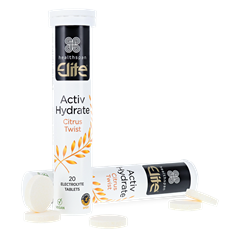
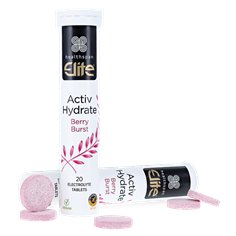
Supplementation should sit alongside a strong diet rather than replace it. For a convenient option during or after exercise, Activ Hydrate Berry Burst and Activ Hydrate Citrus Twist provide sodium, potassium, calcium and magnesium in an effervescent tablet.
- Sodium: Salt, olives, pickles, soups and stock.
- Potassium: Potatoes, bananas, avocados, beans and leafy greens.
- Calcium: Dairy foods, fortified plant drinks, tofu and leafy greens.
- Magnesium: Nuts, seeds, wholegrains, beans, dark chocolate and spinach.
Know What You Are Taking and Why
The next time you look at the back of an electrolyte supplement, you should have a clearer understanding of what you are reading.
Moving from a passive consumer to an informed athlete matters. It is not about having a nutrition degree. It is about understanding what your body needs, where those nutrients come from and when supplementation makes practical sense.
The strongest nutrition strategies are deliberate. They account for the athlete, the session, the environment and the recovery window instead of treating every training day in exactly the same way.
The Bottom Line
- Sweat contains sodium alongside smaller quantities of potassium, calcium and magnesium.
- Sodium is the main electrolyte to consider when replacing substantial sweat losses.
- Potassium supports normal muscle and nerve function, but cramp rarely has one simple cause.
- Calcium supports muscle contraction as well as long-term bone health.
- Magnesium contributes to energy metabolism and normal muscle and nerve function.
- Start with a varied diet, then use electrolyte supplements strategically when training demands justify them.
- Read the label and understand why each ingredient is included.
Quality Assurance
Quality assurance is an important consideration when choosing sports nutrition products. Athletes should look for products that are manufactured to high standards and, where relevant, tested through recognised third-party programmes such as the Informed Sport Program.