
.png)
.png)
.png)
.png)
_2026122-125305.png)
_2026122-125305.png)

_2026122-125305.png)
_2026122-125305.png)
_2026122-125305.png)










Whey, whey isolate and clear whey can all provide high-quality protein, but differences in processing, nutritional profile and texture mean each option may suit different preferences and training situations.
- Understand the differences between whey, whey isolate and clear whey.
- Choose a protein format that suits your training and preferences.
- Use protein consistently as part of your wider recovery strategy.
Which Protein Shake Are You Actually Reaching For?
You're training hard. You're being consistent. You've sorted your nutrition around your sessions, and you're thinking about recovery. And yet, the protein shake sitting on your kitchen counter might not be the best option for what you need in that particular moment.
Not because it's a bad product. But because many athletes reach for whatever is in the cupboard without thinking about what they actually need, or what the difference is between the options on the shelf.
Whey. Whey isolate. Clear whey. Three different options with different characteristics and use cases. Understanding those differences can help you make a more informed choice.
If you're new to protein supplements, our guide to whey protein explains the fundamentals of whey and how it can fit into an active diet.
What the Labels Actually Mean
Whey concentrate, whey isolate and clear whey all originate from milk, but they differ in how they are processed and in their resulting nutritional profiles.
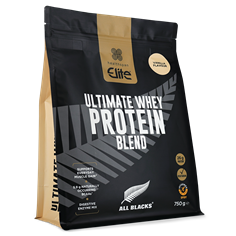
Standard whey protein concentrate is the less refined form of whey. It retains more of the naturally occurring carbohydrate, fat and lactose from the original milk source, giving it a creamier texture and a fuller macronutrient profile per serving. For many people and training situations, it provides a practical and cost-effective way to increase protein intake.
Whey isolate goes through additional processing to remove more fat and lactose, leaving a product that is typically higher in protein per gram and lower in these other components. This can make it useful for athletes who are sensitive to lactose, those managing calorie intake carefully, or anyone who prefers a leaner protein option.
Mixing isolate with milk rather than water can also change the nutritional profile of the drink by adding carbohydrate and additional protein from the milk itself. This provides a simple way to adapt the same protein product according to your wider nutrition needs.
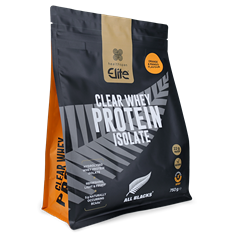
Clear whey uses hydrolysed whey protein isolate. The most noticeable difference for many athletes is its texture: rather than producing a thick, creamy shake, it mixes into a lighter, juice-style drink.
- Whey concentrate: creamy, fuller nutritional profile and generally cost-effective.
- Whey isolate: more refined, higher protein per gram and lower in lactose and fat.
- Clear whey: hydrolysed whey isolate with a lighter, juice-style texture.
Why Clear Whey Has Its Place
One of clear whey's practical advantages is simply that some athletes find a lighter drink easier to consume after a demanding session, particularly in warmer conditions or after intense cardiovascular exercise.
A heavy, creamy shake may not always be appealing immediately after a long run, Hyrox event or hard summer training session. A cold, juice-style protein drink can provide another way to consume high-quality protein when appetite is reduced.
Protein intake after exercise supports muscle repair and muscle protein synthesis, but the recovery window is broader than a strict 30 to 45-minute deadline. The bigger priorities are consuming enough protein across the day and using a routine that you can follow consistently.
Clear whey can also work well when you are planning a full recovery meal shortly afterwards. A lighter drink may be easier to pair with food, allowing you to combine protein with the carbohydrate and overall energy needed as part of a more complete recovery strategy.
The Practical Way to Think About This
You don't need three tubs on rotation. What matters is understanding the characteristics of the protein you use and choosing an option that works for your routine.
If you train in warm conditions or struggle with appetite after exercise, clear whey may be worth considering. If you're using whey isolate, mixing it with milk can provide additional protein and carbohydrate when appropriate. And if you're using standard whey, it can remain a straightforward option for supporting your daily protein intake.
Around 20 to 40 g of high-quality protein per serving is commonly used in sports nutrition practice, but your overall daily requirement depends on factors including bodyweight, training volume and goals. For more detailed guidance, read our guide to how much protein you need.
Ultimately, consistency matters more than chasing the most specialised protein format. You can also explore the full Healthspan Elite protein range to compare available formats.
- Prefer a traditional creamy shake? Whey concentrate or a whey blend may suit you.
- Want less lactose and fat? Whey isolate may be the better fit.
- Prefer something light and refreshing? Clear whey offers a juice-style alternative.
- Most important: choose an option you can use consistently alongside a balanced diet.
The Bottom Line
Whey concentrate, whey isolate and clear whey can all contribute high-quality protein to an athlete's diet. The main differences are their degree of processing, nutritional profile and drinking experience.
- Whey concentrate: creamy, fuller profile, cost-effective and suitable for many training days.
- Whey isolate: higher protein per gram with less lactose and fat.
- Clear whey: light and juice-like, which may make it easier to consume after hard or hot sessions.
- Protein amount: 20 to 40 g of quality protein is a practical serving range around training.
- Consistency: the best option is one that helps you meet your overall protein requirements reliably.
Quality Assurance
Quality assurance is an important consideration when choosing sports nutrition products. Athletes should look for products that are manufactured to high standards and, where relevant, tested through recognised third-party programmes such as the Informed Sport Program.