



















A practical guide to caffeine gum for female athletes, covering timing, individual response, common mistakes and when to seek professional advice.
- When fast-absorbing caffeine gum may fit training.
- Individual response, cycle symptoms and sleep.
- Common mistakes and product precautions.
Caffeine Gum and Your Training
Female athletes may experience fluctuating energy due to sleep, stress, menstrual cycle symptoms and busy schedules. Understanding how caffeine works can help you decide whether it has a place in your training plan. Feeling more tired does not automatically mean you need more caffeine.
What Caffeine Does
Caffeine does not create energy out of thin air: it turns down the perception of fatigue. It blocks adenosine receptors, helping you feel more awake, and the same session may feel easier than it otherwise would. Caffeine can also increase adrenaline-type signals, which may support readiness and performance as intensity rises.
Why Gum Is Different
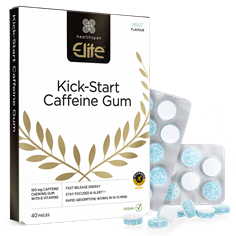
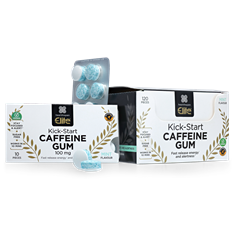
Healthspan Elite Kick-Start Caffeine Gum contains 100 mg of caffeine per piece and is portable enough for a gym or match bag. Store it according to the label, away from children.
Caffeine from coffee often reaches peak levels around 45-60 minutes after consumption. Caffeine gum is absorbed through both the lining of the mouth and the gastrointestinal tract. The product provides approximately 85% caffeine absorption in 10-15 minutes, making it a practical option when preparation time is short. Absorption timing does not guarantee an identical performance response in everyone.
Timing and Where It Fits
A small study by Pirmohammadi and colleagues investigated fast-absorbing caffeine sources in 18 female table tennis players, using approximately 3-4.5 mg per kg of body weight during the test sessions. The study reported benefits in selected performance measures. It does not establish a daily dose recommendation or show that every athlete will benefit in the same way.
Work backwards from the part of your session when you want caffeine to take effect. Trial timing in training before using it in competition, and keep any later top-ups within the product directions and your overall caffeine plan.
Dose and Tolerance
Research on performance commonly uses caffeine doses of around 3-6 mg per kg of body weight. This is not a universal safe upper limit or a recommendation to consume that amount each day.
Start with a low intake and assess your response. There is no need to build tolerance by increasing the dose. Follow the product directions, include caffeine from all other sources and seek individual advice from a qualified sports nutrition professional when planning your intake.
Cycle Symptoms Sleep and Sensitivity
Responses to menstrual cycle symptoms and caffeine are individual. A blanket cycle-based caffeine strategy will not suit everyone.
Track how you feel, how you sleep and how you respond to caffeine alongside your training. Use those observations to make informed decisions, rather than assuming that a particular cycle phase requires a higher dose. Caffeine cannot correct underfuelling or replace recovery.
Common Mistakes
- Taking too much caffeine too soon and experiencing jitters or anxiety.
- Taking it too late to support the intended part of a session.
- Using caffeine to mask underfuelling.
- Taking caffeine late enough to disrupt sleep.
- Trying it for the first time at a race, event or competition.
- Using it for every session when it may not be necessary.
Who Should Be Cautious
Kick-Start Caffeine Gum is not recommended for children or pregnant women. If you are trying to conceive or breastfeeding, discuss caffeine supplements with a healthcare professional. Anyone with a heart condition, another medical condition or prescribed medication should seek professional advice before use.
Follow the current product label. Stop taking the supplement and seek medical advice if you experience an adverse reaction.
Five Take Home Rules
- Start low and trial caffeine in training.
- Time it for the part of the session when you want the effect.
- Protect sleep and keep fuelling, hydration and recovery first.
- Follow product warnings and seek professional advice where appropriate.
- Base decisions on your individual response, rather than a fixed menstrual cycle rule.
Quality Assurance
Choose sports nutrition products with appropriate quality assurance. Where relevant, check the specific product and batch through a recognised third-party testing programme such as Informed Sport.