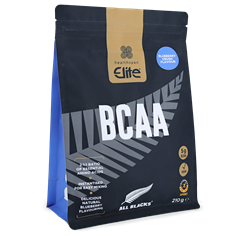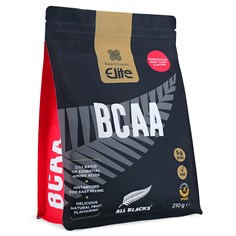



















BCAAs are often promoted for muscle recovery and performance, but understanding what they actually do — and when they may be useful — matters more than simply adding another supplement to your routine.
- Understand what BCAAs are and how they relate to muscle recovery.
- Explore where BCAAs may fit for female athletes.
- Use them as a targeted tool rather than a replacement for total protein.
BCAAs — you may or may not have heard of them before. If you have, you might not be able to fully explain what they do or whether they actually benefit you. If you haven't, is that a bad thing?
This article is about acknowledging both sides — those who swear by them and those who have written them off entirely. The goal is to summarise the research honestly so that by the end, you can make your own decision with clarity.
What BCAAs Actually Are
BCAA stands for branched-chain amino acids — essential amino acids that the body simply cannot make itself. BCAAs can be metabolised in skeletal muscle, which is one reason they are discussed so frequently in the context of exercise and recovery.
Think of amino acids as the bricks and protein as the wall. BCAAs are three of the nine essential amino acids your body needs — three important bricks when it comes to repair and rebuilding — but the full structure needs all of them working together.
Leucine is a key driver of muscle protein synthesis, the process involved in building and repairing muscle. Isoleucine and valine also form part of the wider amino-acid picture during exercise and recovery.
- Leucine: closely associated with signalling muscle protein synthesis.
- Isoleucine: one of the essential amino acids that must be obtained through the diet.
- Valine: completes the group of three branched-chain amino acids.
BCAAs are only one part of the overall protein picture. For more information on how protein intake fits around training, read our guide to protein timing around training.
The Female Angle — What the Research Says
When trying to make the link to female athletes and BCAA use, it won't be surprising to hear that most of the research has been conducted in males and the female-specific evidence base is still developing.
What we can take from the research is that changes across the menstrual cycle may influence protein metabolism and recovery demands. This means there may be periods where female athletes need to pay closer attention to their overall protein strategy.
Could BCAAs therefore have a practical application for some female athletes? Potentially — but as always, this comes down to what you prioritise and the cost-effectiveness of the product relative to where you are in your training and your cycle.
The wider foundations still matter most: adequate energy intake, sufficient protein and appropriate recovery. Our guide to building a holistic recovery strategy for female athletes explains how these pieces fit together.
When and How to Use Them
So when do BCAAs actually earn their place? Potential situations include during long or hard sessions, after training as part of your wider recovery nutrition, during fasted training, or simply as an additional source of amino acids within the day.
They may have a place in your supplement stack on the condition that your overall nutrition is good, you are hitting your daily protein target and your sleep is consistent.
If you are doing the basics well, BCAAs may provide an additional targeted option during the sessions and training blocks where recovery demands are highest.
Taste also matters for consistency. If you enjoy the product and it fits easily into your routine, you are much more likely to use it consistently.
- During long or demanding training sessions.
- After training alongside your wider recovery nutrition.
- During fasted training where amino-acid availability may be lower.
- When you want a convenient amino-acid option during a demanding training block.
Know What You Are Taking Them For
BCAAs are not a replacement for total protein intake and they are not going to fix poor overall nutrition.
For an athlete who is already doing the basics well and wants targeted support — particularly around muscle preservation and recovery during demanding training blocks — they may have a useful place.
The key is knowing when they are useful rather than simply adding them because they are another supplement available on the shelf.
If your priority is meeting overall protein requirements, complete protein sources remain important. You can compare different options in our guide to whey, whey isolate and clear whey.
The Bottom Line
- BCAAs: leucine, isoleucine and valine — three essential amino acids your body cannot produce itself.
- Leucine: plays an important role in signalling muscle protein synthesis.
- Timing: BCAAs may be considered around hard sessions, post-training or during fasted training.
- Female athletes: cycle-related changes may make overall protein and recovery strategy particularly important at certain times.
- Total protein: BCAAs are not a replacement for adequate protein intake.
- Consistency: products that are practical and enjoyable are easier to use consistently.
BCAAs should be viewed as a targeted tool rather than the foundation of your nutrition strategy. Getting your overall energy intake, protein, carbohydrate and recovery right remains the priority.
You can also explore the full Healthspan Elite protein range for additional protein and recovery options.
Quality Assurance
Quality assurance is an important consideration when choosing sports nutrition products. Athletes should look for products that are manufactured to high standards and, where relevant, tested through recognised third-party programmes such as the Informed Sport Program.