
.png)
.png)
.png)
.png)
_2026122-125305.png)
_2026122-125305.png)

_2026122-125305.png)
_2026122-125305.png)
_2026122-125305.png)









Protein timing can help athletes support recovery and adaptation, but timing works best when total daily protein intake is already sufficient. This guide explains how to approach post-exercise protein, distribution across the day and pre-sleep intake without overcomplicating your nutrition strategy.
- How much protein to consume after training.
- How to distribute protein effectively across the day.
- Where pre-sleep protein and protein quality fit into recovery.
Why Protein Timing Matters
Protein intake is widely recognised as a key component of recovery and adaptation to training. It supports muscle repair, promotes muscle protein synthesis, and contributes to long-term improvements in strength and performance (1,2).
While total daily protein intake is the primary determinant of adaptation, there is ongoing interest in whether the timing of protein intake can further enhance these responses. In particular, strategies such as consuming protein immediately after training or before sleep are often promoted as ways to optimise recovery.
Understanding how protein timing fits within the broader context of daily intake is important for developing practical and effective nutrition strategies.
Post-Exercise Protein Intake
Following exercise, there is an increase in both muscle protein breakdown and synthesis. Providing dietary protein during this period helps shift the balance towards net protein synthesis, supporting repair and adaptation (1).
Research suggests that consuming approximately 0.25 to 0.40 g of protein per kg body mass after exercise is sufficient to maximise muscle protein synthesis in most individuals (3). This typically equates to around 20 to 40 g of high-quality protein, depending on body size.
While early intake is beneficial, the concept of a narrow “anabolic window” is often overstated. Muscle remains sensitive to protein intake for several hours following exercise, meaning that immediate intake is not always essential if protein has been consumed in the preceding hours (4).
- 0.25 to 0.40 g/kg: approximate protein target after exercise.
- 20 to 40 g: typical amount of high-quality protein depending on body size.
- The post-exercise “anabolic window” is wider than is often claimed.
Distribution of Protein Across the Day
Beyond post-exercise intake, the distribution of protein across the day appears to influence muscle protein synthesis.
Consuming protein in evenly distributed meals, typically every 3 to 4 hours, has been shown to produce a greater cumulative muscle protein synthesis response compared to uneven intake patterns (5).
This approach ensures that the body receives a consistent supply of amino acids, supporting recovery and adaptation throughout the day rather than relying on a single large intake.
For athletes, this often translates to including a protein source at each main meal and snack.
Pre-Sleep Protein Intake
Sleep represents a prolonged period without nutrient intake, during which muscle protein synthesis may be limited by amino acid availability.
Consuming protein before sleep has been shown to increase overnight muscle protein synthesis, particularly when using slow-digesting protein sources such as casein (6).
This strategy may be particularly beneficial during periods of high training load, where maximising recovery between sessions is important.
However, as with other timing strategies, its effectiveness is dependent on total daily protein intake being sufficient.
Total Protein Intake Remains the Priority
Although timing strategies can influence muscle protein synthesis, total daily protein intake remains the most important factor.
Current recommendations for athletes typically range from 1.6 to 2.2 g of protein per kg body mass per day, depending on training demands and goals (2).
If total intake is insufficient, optimising timing is unlikely to compensate for this deficit. Conversely, when total intake is adequate, the additional benefits of timing strategies are relatively modest.
This highlights the importance of prioritising total intake before focusing on more detailed timing strategies.
- 1.6 to 2.2 g/kg/day: typical daily protein recommendation for athletes.
- Prioritise sufficient total daily protein before refining timing.
- Spread protein intake across the day rather than relying on one or two large servings.
Protein Quality and Source
The quality of protein consumed also influences its effectiveness.
High-quality protein sources, such as dairy, meat, eggs, and certain plant-based combinations, provide all essential amino acids required for muscle protein synthesis (1).
Leucine, in particular, plays a key role in stimulating muscle protein synthesis. Protein sources with higher leucine content are generally more effective in promoting this response (1).
Ensuring that each protein-containing meal provides sufficient leucine is an important consideration when planning intake.
Practical Implementation
A practical approach to protein timing should be simple and integrated into daily routines.
- Consuming protein after training sessions.
- Distributing protein evenly across meals.
- Including a protein-rich snack before sleep where appropriate.
- Prioritising total daily protein intake.
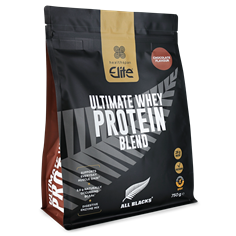
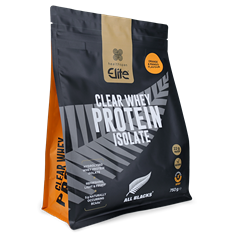
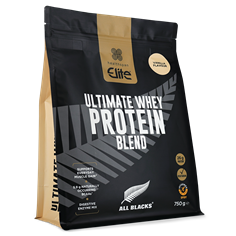
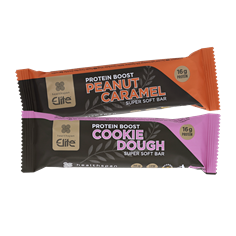
These strategies provide a structured approach without unnecessary complexity. For convenient ways to support your daily protein intake, explore our protein range.
Common Mistakes
Several common issues are observed in practice.
Athletes may focus heavily on post-exercise protein while neglecting total daily intake. Others may consume most of their protein in one or two meals, limiting the overall effectiveness of intake.
There is also a tendency to overemphasise timing strategies at the expense of more important factors such as energy intake, carbohydrate availability, and overall diet quality.
Addressing these issues can improve the effectiveness of protein intake strategies.
Application to Your Training
Protein timing should be viewed as a refinement rather than a primary strategy.
Once total protein intake is appropriate, athletes can use timing strategies to support recovery and adaptation. Training schedules can help guide when protein intake is most beneficial, particularly around key sessions.
Consistency is more important than precision. Regular intake of sufficient protein throughout the day is likely to provide the greatest benefit over time.
Key Takeaway
Protein timing can support recovery and adaptation, but it should be considered alongside total daily intake rather than as a standalone strategy. Athletes who meet their overall protein requirements and distribute intake effectively are best positioned to support performance and long-term adaptation.
Quality Assurance
Quality assurance is an important consideration when choosing sports nutrition products. Athletes should look for products that are manufactured to high standards and, where relevant, tested through recognised third-party programmes such as the Informed Sport Program.