
.png)
.png)
.png)
.png)
_2026122-125305.png)
_2026122-125305.png)

_2026122-125305.png)
_2026122-125305.png)
_2026122-125305.png)









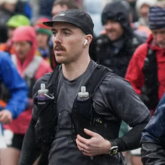
Sport festivals can combine repeated bouts of exercise, long days outdoors, heat, travel and unpredictable access to fluids. Managing hydration across the whole event can therefore be just as important as what you drink while competing.
- Managing hydration across repeated activity and long days outdoors.
- Using fluids, electrolytes and carbohydrate strategically.
- Planning practical hydration before, between and after events.
Why Sport Festivals Create a Hydration Challenge
Sport festivals can be some of the most enjoyable events in the calendar. They often combine competition, socialising, travel, long days outdoors, food stalls, queues, and repeated bouts of activity. That mix makes hydration much harder to manage than during a normal training session.
The demands can vary depending on the event. A sport festival might involve a running weekend, rugby sevens, a football tournament, a cycling sportive, a CrossFit-style competition, a charity challenge, or a mixed-sport event. In all of these settings, athletes are often active across several hours or several days, with limited structure between bouts.
This matters because hydration needs are influenced by exercise duration, intensity, environment, sweat rate, clothing, and access to fluids (1). At sport festivals, several of these factors can become harder to control at the same time.
Repeated Activity Across the Day
One of the main challenges at sport festivals is repeated activity. You may not complete one continuous session, but instead several shorter efforts across the day.
This is common in tournament-based sports, where athletes may play multiple matches with breaks in between. It is also common in fitness competitions or multi-event festivals where athletes alternate between activity, waiting, warming up, and recovering.
Team sport research suggests that hypohydration is more likely to impair cognition, technical skill, and physical performance at higher levels of body mass loss, particularly when dehydration is combined with heat stress (2). This is relevant because sport festivals often involve exactly that combination: repeated activity, warm conditions, and limited control over drinking opportunities.
The goal is not just to hydrate during the event itself. It is to maintain fluid balance across the whole day.
Heat, Sun Exposure, and Long Days Outdoors
Many sport festivals take place during spring or summer, often outdoors. Even if the actual exercise duration is not extreme, the total time spent in the heat can be substantial.
Heat exposure increases thermoregulatory strain and sweat losses, which can increase the risk of dehydration and exertional heat illness (3,4). Best-practice heat illness guidance highlights the importance of prevention strategies, including hydration planning, heat acclimatisation, monitoring environmental conditions, and access to cooling where appropriate (4).
In a festival setting, athletes may spend hours standing in direct sunlight, walking around the venue, queuing for food, or supporting teammates before they compete again. These activities do not feel like training, but they still contribute to fluid losses and fatigue.
Seeking shade, wearing appropriate clothing, using sunscreen, and drinking consistently throughout the day can all reduce unnecessary strain.
Hydration and Decision-Making
Hydration does not only affect physical output. It can also influence cognitive performance and mood.
A systematic review reported that hypohydration can impair cognitive performance and mood, particularly at higher levels of body mass loss of around 3 to 5% (5). This matters in sport festivals because athletes often need to make decisions under fatigue, heat, and social distraction.
In team sports, this might mean tactical awareness, passing decisions, communication, and reaction time. In endurance or challenge events, it might mean pacing, route decisions, fuelling choices, and recognising when to slow down or cool off.
Poor hydration may not be the only factor affecting these outcomes, but it is one of the most controllable.
Electrolytes Matter When Sweat Losses Are High
Hydration is not only about water. Sweat contains electrolytes, particularly sodium, and sodium plays an important role in fluid balance, plasma volume, nerve transmission, and muscle function (1,6).
At sport festivals, electrolyte intake becomes more relevant when the day is hot, the athlete is sweating heavily, or activity is repeated across several hours.
Replacing fluid with plain water alone may be less effective for rehydration when sodium losses are high (6).
This does not mean electrolytes are required constantly. It means they should be used strategically when sweat losses are meaningful, when the day is long, or when another bout of activity is still to come.
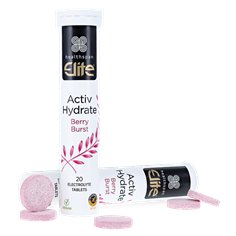
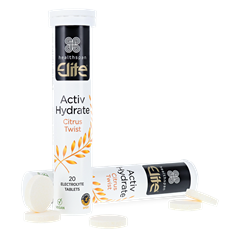
Good options include electrolyte tablets, electrolyte drinks, oral rehydration solutions, or salty foods alongside fluids.
Carbohydrate and Hydration Often Overlap
Sport festivals often involve both hydration and fuelling challenges. Food options may be limited, queues may be long, and competition timings may change.
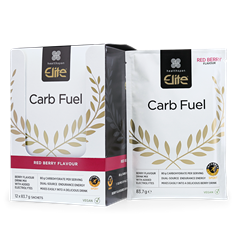
Carbohydrate intake during prolonged or repeated exercise can support performance by helping maintain blood glucose and carbohydrate availability (7). In festival settings, carbohydrate-electrolyte drinks can be useful because they provide fluid, electrolytes, and fuel at the same time.
This can be especially useful for athletes who struggle to eat solid foods between events, or where the next bout of exercise is close.
However, carbohydrate drinks are not always necessary. If the activity is short and food intake is adequate, electrolyte drinks or water with meals may be enough.
Practical Hydration Strategy for Sport Festivals
A good sport festival hydration strategy starts before arrival.
Athletes should begin the day well hydrated, bring their own bottle, and know where refill points are located. Waiting until thirst becomes severe is usually too late, particularly when the event is busy or fluid access is inconsistent.
- Drink with breakfast before arriving.
- Bring a refillable bottle.
- Identify water points early.
- Use electrolytes during hot or sweaty periods.
- Drink between events, not just during them.
- Pair fluids with meals and snacks.
- Use carbohydrate-electrolyte drinks if food access is limited.
- Rehydrate before bed during multi-day events.
This approach keeps hydration consistent without requiring an overly rigid plan.
Common Mistakes
The first common mistake is treating sport festivals like a normal training session. The total day is usually much longer, and the gaps between events can still involve heat exposure and fluid loss.
The second is relying entirely on the event venue. Water stations, food availability, and queues can be unpredictable.
The third is overdrinking plain water without considering electrolytes. Both underhydration and overhydration can compromise performance and health, so fluid intake should be balanced with individual needs and sodium replacement where appropriate (8).
The fourth is forgetting about the next event. Hydration between bouts is just as important as hydration during activity.
Application to Your Situation
For a single-day sport festival, focus on starting hydrated, carrying fluids, drinking regularly between events, and using electrolytes if sweat losses are high.
For a multi-day festival, recovery hydration becomes even more important. Rehydrate after the final event of the day, include sodium with fluids, eat a proper meal, and prepare for the next day’s activity.
For endurance-based festivals, consider carbohydrate-electrolyte drinks during longer sessions. For team sport festivals, use every break, substitution window, and match interval as an opportunity to drink.
Key Takeaway
Hydration at sport festivals is about managing the whole day, not just the minutes spent competing. Repeated activity, heat exposure, queues, travel, limited access to fluids, and changing event timings can all disrupt normal hydration habits. Athletes who plan fluid, electrolytes, and fuelling across the full event are more likely to maintain performance, reduce unnecessary fatigue, and enjoy the festival without falling apart by the final game or event.
Quality Assurance
Quality assurance is an important consideration when choosing sports nutrition products. Athletes should look for products that are manufactured to high standards and, where relevant, tested through recognised third-party programmes such as the Informed Sport Program.