
.png)
.png)
.png)
.png)
_2026122-125305.png)
_2026122-125305.png)

_2026122-125305.png)
_2026122-125305.png)
_2026122-125305.png)









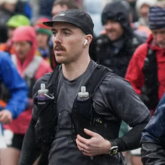
A hydration plan only works if you can execute it under real sporting conditions. Practising how, when and how much you drink can help make fluid intake more automatic, comfortable and specific to the demands of competition.
- Practising how to carry and access fluids during exercise.
- Rehearsing fluid intake during both easy and harder sessions.
- Matching your drinking strategy to competition demands.
Why Drinking During Exercise Is a Skill
Hydration is often discussed as a physiological requirement, but in practice it is also a skill. Athletes need to know what to drink, how much to drink, when to drink, and how to physically access fluids during exercise.
This becomes especially important in competition, where drinking is rarely convenient. Runners may need to drink while moving at pace. Cyclists may need to remove a bottle, drink, and replace it without disrupting rhythm or position. Team sport athletes may only have short breaks in play to access fluids. Endurance athletes may need to drink at a specific rate for several hours without causing gastrointestinal discomfort.
Fluid replacement guidelines highlight the importance of developing individualised hydration strategies that account for sweat rate, exercise duration, environment, and practical access to fluids (1). However, having a hydration plan is only useful if the athlete can execute it under real sporting conditions.
This is why drinking should be treated like any other technical skill in sport. It needs practice.
Why Hydration Plans Fail in Competition
Many hydration strategies fail because they are designed on paper but never rehearsed.
An athlete may know they need to drink 500 to 750 ml per hour, but if they cannot comfortably carry the fluid, access it at speed, or tolerate that volume during higher intensity exercise, the plan will not hold up in competition.
Practical barriers are a major part of hydration planning. A review on practical hydration solutions for sport highlighted that athletes need strategies that account for the specific obstacles of their sport, including fluid availability, equipment, rules, timing opportunities, and environmental demands (2).
This is especially relevant in running, cycling, team sports, and events where fluid access is limited. The best hydration strategy is not always the most theoretically accurate one. It is the one the athlete can actually carry out.
Choosing How to Carry Fluids
How athletes carry fluid matters.
For runners, options include handheld bottles, waist belts, soft flasks, hydration vests, or relying on aid stations. Each option has advantages and limitations.
A handheld bottle is simple and accessible but may alter arm swing or feel uncomfortable over longer distances. A waist belt can distribute load well but may bounce or cause irritation. A hydration vest allows athletes to carry more fluid and fuel, but it needs to be practised because it changes body feel, heat retention, and access to bottles or flasks.
Cyclists usually have easier access to fluid through frame-mounted bottles, hydration packs, or aero systems, but drinking still needs practice. Taking a bottle out, drinking, replacing it securely, and maintaining speed or position is a skill, particularly in groups or technical conditions.
In team sports, athletes may rely on bottles at the sideline, hydration breaks, substitutions, or short pauses in play. This makes pre-planned drinking opportunities important, because fluid access is not constant.
Practising Drinking During Easier Sessions
Easier training sessions are the best place to start.
Athletes should first practise the mechanics of drinking without the pressure of high intensity. Runners can practise taking bottles from a belt or vest while maintaining rhythm. Cyclists can practise removing and replacing bottles safely while riding. Team sport athletes can practise drinking during natural breaks in training or between drills.
This allows the behaviour to become automatic. Just as athletes practise pacing, cornering, footwork, or skill execution, they should also practise drinking in the way they plan to do it during competition.
The goal is to reduce friction. If drinking feels awkward, annoying, or disruptive in training, it is unlikely to happen consistently in competition.
Practising During Hard Sessions
Once the basic mechanics are comfortable, athletes should practise drinking during harder sessions.
This is important because the body responds differently at higher intensities. Blood flow to the gut is reduced during strenuous exercise, which can increase the risk of gastrointestinal discomfort when fluid or carbohydrate intake is high (3).
Practising fluid intake during harder sessions helps athletes become accustomed to drinking at the rate required in competition. It also helps identify whether the planned fluid volume, drink concentration, or timing causes discomfort.
For endurance athletes, this may involve drinking at race intensity during long runs, tempo runs, race-pace rides, or brick sessions. For team sport athletes, it may involve taking fluids during short breaks between high-intensity blocks, rather than only drinking once the session is over.
Training the Gut
Hydration practice overlaps with gut training.
The gut can adapt to the demands placed on it. Nutritional training may improve gastric emptying, carbohydrate absorption, and gastrointestinal tolerance during exercise (4). This is often discussed in relation to carbohydrate intake, but fluid intake is part of the same practical process.
If an athlete only drinks small amounts in training but then tries to consume much higher fluid volumes on race day, discomfort is more likely. Similarly, if they only practise drinking at low intensity, they may struggle to tolerate the same intake at competition intensity.
Training the gut means regularly exposing the body to the fluids, carbohydrate sources, concentrations, and intake patterns that will be used in competition.
Setting a Drinking Rhythm
A useful strategy is to establish a drinking rhythm.
Rather than waiting until thirst is severe, athletes can practise drinking at planned intervals. For endurance athletes, this may mean taking several mouthfuls every 10 to 20 minutes. For team sport athletes, it may mean drinking during every natural break, tactical pause, substitution window, or half-time opportunity.
The rhythm should be based on sweat rate, session duration, environment, and gut tolerance. The aim is not to drink constantly, but to prevent large fluid deficits from building unnecessarily.
This rhythm becomes more important in hot conditions, longer events, or situations where fluid access is limited.
Matching Drinking Practice to Competition
Drinking practice should look like competition.
If an athlete plans to use a hydration vest in an ultra, they should complete training sessions wearing that vest. If a runner plans to drink from cups at aid stations, they should practise drinking from cups while moving. If a cyclist plans to fuel from bottles, they should practise using those bottles during race-like efforts. If a team sport athlete only gets short breaks in play, they should practise using those breaks efficiently.
This helps athletes answer practical questions before competition:
- Can I access the bottle easily?
- Can I drink without slowing down too much?
- Does the drink sit well in my stomach?
- Can I tolerate this fluid volume at race intensity?
- Do I need a different carrying method?
These questions are best solved in training, not on race day.
Common Mistakes
The first common mistake is treating hydration as an afterthought. Athletes may plan training, pacing, kit, and fuelling, but leave drinking to chance.
The second is practising hydration only during easy sessions. This helps with the mechanics, but it does not fully prepare the gut or the athlete for competition intensity.
The third is choosing equipment without testing it properly. A vest, belt, handheld bottle, or bottle cage may feel fine for 10 minutes but become irritating or impractical after an hour.
The fourth is copying another athlete’s strategy. Sweat rate, sodium losses, gut tolerance, event demands, and equipment preferences vary widely between individuals (1,2).
Application to Your Training
A practical approach is to build hydration practice into training gradually.
Start by choosing the carrying method that fits your sport and event. Then practise using it during easy sessions until the movement feels natural. From there, progress to harder sessions where you practise drinking at the intensity and frequency required in competition.
For runners, this may mean practising with a handheld bottle, belt, or vest during long runs and race-pace sessions. For cyclists, it may mean practising bottle handling during intervals, group rides, or technical routes. For team sport athletes, it may mean drinking during short breaks in play, half-time, substitutions, or between high-intensity drills.
The aim is to make drinking automatic, comfortable, and specific to the demands of the event.
Key Takeaway
Hydration is not just a physiological requirement. It is a practical skill. Athletes need to practise carrying fluids, accessing them, drinking while moving, and tolerating the required intake during both easy and hard sessions. Like any technical skill, drinking becomes more effective when it is rehearsed in the same conditions where it needs to be performed.
Quality Assurance
Quality assurance is an important consideration when choosing sports nutrition products. Athletes should look for products that are manufactured to high standards and, where relevant, tested through recognised third-party programmes such as the Informed Sport Program.