
.png)
.png)
.png)
.png)
_2026122-125305.png)
_2026122-125305.png)

_2026122-125305.png)
_2026122-125305.png)
_2026122-125305.png)









Air travel can disrupt normal hydration behaviours through long periods of sitting, limited access to fluids, changes in food timing, low cabin humidity and altered routines. For travelling athletes, the goal is to maintain fluid balance, avoid unnecessary dehydration and arrive ready to sleep, recover, train or compete.
- How cabin conditions and prolonged sitting can affect hydration.
- The roles of fluids, electrolytes, food, caffeine and alcohol.
- A practical hydration strategy for before, during and after flying.
🕒 6 min read
Why Flight Hydration Matters
Travel is now a normal part of performance sport. Athletes may need to fly for training camps, away fixtures, international competitions, tournaments or altitude preparation. While the main focus is often on jet lag and sleep, hydration is another key factor that can influence how well an athlete arrives and how quickly they can perform after travel.
Air travel can disrupt normal hydration behaviours through long periods of sitting, limited access to fluids, changes in food timing, low cabin humidity and altered routines. Long-haul flights may also promote fluid shifts to the lower limbs and changes in blood viscosity, which could contribute to dehydration risk and reduce readiness on arrival (1).
For travelling athletes, the goal is not to overdrink during flights. The goal is to maintain fluid balance, avoid unnecessary dehydration and arrive in a good enough state to sleep, recover, train or compete.
The Cabin Environment
Aircraft cabins are typically dry environments, with lower humidity than most indoor settings. This can contribute to dry mouth, dry eyes and an increased perception of thirst during travel (1,2).
It is worth noting that low cabin humidity alone may not automatically cause clinically meaningful dehydration in every passenger. However, when combined with long travel duration, reduced fluid access, alcohol intake, caffeine use, salty foods and prolonged immobility, it can contribute to poorer hydration behaviours and increased physiological strain (1,2).
For athletes, this matters because small disruptions can accumulate. A long flight followed by poor sleep, missed meals and reduced fluid intake can leave an athlete arriving flat, fatigued and less prepared for the next training or competition demand.
Fluid Shifts and Prolonged Sitting
Long-haul flights involve prolonged sitting, which can promote fluid shifts into the lower limbs. This is one reason many athletes experience swollen ankles or heavy legs after flying.
A review on long-haul travel and dehydration risk reported that flights may promote fluid shifts to the lower extremities and induce changes in blood viscosity, which could compromise athlete readiness after arrival (1).
Hydration will not fully solve the problem of prolonged sitting, but maintaining fluid intake alongside regular movement can support circulation and reduce unnecessary travel-related stress.
- Walk along the aisle when it is safe and practical.
- Perform ankle circles while seated.
- Complete calf raises when standing.
- Avoid sitting completely still for long periods.
Hydration and Performance Readiness
Hydration status influences several areas relevant to athletic performance. Hypohydration can increase cardiovascular and thermal strain and degrade aerobic performance, particularly when exercise is performed soon after travel or in warm conditions (3,4).
Even mild dehydration may also impair cognitive performance, including attention, vigilance and working memory (5). This is important because travelling athletes often need to attend meetings, process tactical information, adjust to new environments and make decisions shortly after arrival.
For team sport athletes, endurance athletes and combat sport athletes, arriving dehydrated can therefore affect more than physical output. It may also influence focus, mood, decision-making and perceived readiness.
- Helps manage cardiovascular and thermal strain.
- Supports preparation for exercise in warm conditions.
- May influence attention, vigilance and working memory.
- Can affect mood, focus and perceived readiness.
Electrolytes and Fluid Retention
Hydration is not only about water intake. Sodium is the main electrolyte lost in sweat and plays an important role in fluid balance, plasma volume and fluid retention (3,6).
During flights, athletes are not usually losing large amounts of sodium through sweat unless they have trained before travel, are travelling in hot conditions or are wearing heavy clothing. However, electrolytes can still be useful when fluid intake needs to be maintained over several hours, particularly on long-haul flights or when an athlete is already behind on hydration.
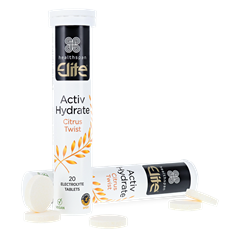
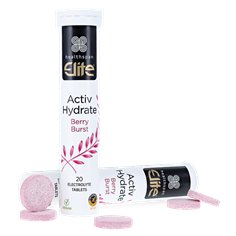
Electrolyte tablets, oral rehydration solutions or sodium-containing drinks can help athletes retain fluid more effectively than plain water alone in situations where rehydration is required (7).
This is especially relevant if the athlete trained before flying, has another session soon after arrival or is travelling into a hot environment.
Nutrition Choices on Flights
Food choices during travel can influence hydration status and overall readiness. Airline meals and airport food are often higher in salt, lower in fresh produce and served at irregular times. This can disrupt usual eating and drinking habits.
Carbohydrate intake may also be important when athletes are travelling before competition or training. Carbohydrate supports glycogen availability, while fluids support digestion, circulation and thermoregulation (8).
Athletes should aim to travel with simple options that support both energy and fluid intake.
- Fruit.
- Yoghurt drinks.
- Milk-based drinks.
- Smoothies.
- Sandwiches.
- Oat bars.
- Electrolyte drinks.
The aim is to avoid relying entirely on airline service, which may not match the athlete's timing, fluid needs or nutrition goals.
Alcohol and Caffeine Considerations
Alcohol can worsen sleep quality and may contribute to poorer hydration behaviours during travel. For athletes, alcohol is best avoided on flights where performance, sleep or rapid recovery is a priority.
Caffeine is more nuanced. It can be useful for managing alertness during travel or adjusting to a destination time zone, but timing matters. Caffeine consumed too late in the day can impair subsequent sleep, which may worsen travel fatigue and recovery (9).
For athletes, caffeine should be used strategically rather than habitually during flights. If the goal is to sleep on the flight, caffeine intake should usually be limited. If the goal is to stay awake to align with the destination time zone, caffeine may be useful at planned times.
Practical Flight Hydration Strategy
A practical flight hydration plan should start before boarding.
Athletes should aim to begin travel well hydrated, rather than trying to catch up once seated. This may involve drinking fluids with meals before leaving for the airport and avoiding arriving at the gate already dehydrated.
During the flight, athletes should drink regularly rather than relying on large volumes at once. A simple approach is to sip fluid throughout the flight and use urine colour, thirst and comfort as practical feedback.
For long-haul flights, electrolyte-containing drinks may be useful, particularly if the athlete has trained earlier that day, is prone to high sweat losses or is travelling into a hot environment.
After landing, athletes should continue rehydrating gradually, especially if training is scheduled within the next 24 hours.
- Before: Begin the journey well hydrated and drink fluids with meals.
- During: Sip fluids regularly rather than drinking large volumes at once.
- Long-haul travel: Consider electrolytes when rehydration or improved fluid retention is required.
- After landing: Continue rehydrating gradually, particularly when training is planned within 24 hours.
Common Mistakes
- Waiting until arrival: By this point, the athlete may already be behind on hydration.
- Relying entirely on airline service: Fluid availability can be inconsistent, so athletes should travel with their own bottle where possible.
- Drinking excessive plain water: Overdrinking can increase bathroom disruption and may not improve hydration if fluid is poorly retained.
- Treating hydration in isolation: Travel stress, disrupted sleep, missed meals and poor fluid intake can combine to affect readiness.
Application to Travelling Athletes
A simple approach for athletes includes:
- Start the journey well hydrated.
- Carry a refillable bottle through the airport.
- Sip fluids regularly during the flight.
- Use electrolytes when travel is long or rehydration is required.
- Limit alcohol when performance or sleep matters.
- Use caffeine strategically based on the destination time zone.
- Continue rehydrating after landing.
This does not need to be complicated. The best strategy is one the athlete can repeat consistently across trips.
Key Takeaway
Hydration during flights is an important part of travel preparation for athletes. While low cabin humidity alone may not cause severe dehydration, long-haul travel can disrupt fluid balance, hydration behaviours, sleep and readiness. Athletes who plan fluid and electrolyte intake before, during and after flights are more likely to arrive prepared to recover, train and perform.
Quality Assurance
Quality assurance is an important consideration when choosing sports nutrition products. Athletes should look for products that are manufactured to high standards and, where relevant, tested through recognised third-party programmes such as the Informed Sport Program.