
.png)
.png)
.png)
.png)
_2026122-125305.png)
_2026122-125305.png)

_2026122-125305.png)
_2026122-125305.png)
_2026122-125305.png)










Training in warmer conditions can increase fluid losses, thermal strain and perceived effort. A practical summer nutrition strategy needs to account for hydration, electrolytes, carbohydrate, appetite, cooling and recovery.
- Adapting hydration and electrolyte intake to warmer conditions.
- Maintaining carbohydrate and energy availability during summer training.
- Supporting cooling, appetite and post-training recovery.
Why Summer Nutrition Matters
Summer training can place additional strain on athletes. Higher temperatures increase thermoregulatory demand, fluid losses, cardiovascular strain, and perceived effort during exercise (1,2). This means that the same training session can feel harder, produce greater sweat losses, and require more deliberate nutrition planning when performed in warmer conditions (1,2).
For athletes, the challenge is not simply “drinking more water”. Summer nutrition requires a broader approach that considers hydration, electrolytes, carbohydrate intake, appetite, recovery, and cooling strategies. When these areas are managed well, athletes are better able to maintain training quality, reduce unnecessary fatigue, and recover more effectively between sessions.
Start With Hydration
Hydration is one of the most important priorities during summer training. Exercise in the heat increases sweat rate, and fluid losses can vary substantially between athletes depending on body size, exercise intensity, heat acclimation, and environmental conditions (2,3).
Even modest dehydration can impair endurance performance, particularly when combined with heat stress (4). Dehydration reduces plasma volume, increases cardiovascular strain, and can impair the body’s ability to regulate temperature during exercise (4).
A practical starting point is to monitor body mass before and after training to estimate fluid loss. This allows athletes to build a more individualised hydration strategy rather than relying on generic intake targets.
Do Not Forget Electrolytes
Fluid intake is only part of the hydration equation. Sweat also contains electrolytes, particularly sodium, and sodium losses can become significant during prolonged exercise or high sweat rate sessions (2,3).
Sodium helps maintain plasma volume, supports fluid retention, and contributes to normal nerve transmission and muscle function (2,3). This means that electrolyte intake is particularly important when athletes are training for long durations, training repeatedly in the heat, or noticing high sweat losses.
Drinking large amounts of plain water without adequate sodium can also increase the risk of diluting blood sodium levels during prolonged exercise (2).
For most athletes, this does not mean taking electrolytes all day regardless of need. It means using them strategically when sweat losses are high or when training duration is long.
Maintain Carbohydrate Availability
Carbohydrate remains the primary fuel source for moderate to high intensity exercise. In hot environments, carbohydrate requirements may increase due to a shift towards greater carbohydrate use during exercise (5).
This is particularly important during longer sessions, high-intensity training, or sessions where the athlete is already carrying fatigue. Failing to maintain carbohydrate availability can reduce training quality and increase perceived effort (6).
In practice, this may involve using carbohydrate-rich meals before key sessions, carbohydrate drinks during longer sessions, or simple post-training carbohydrate sources to support glycogen restoration.
Manage Appetite Suppression
A common challenge in summer is reduced appetite. Exercise itself can suppress appetite in the short term, and warmer environments may further influence appetite sensations and appetite-regulating hormones (7).
This can become a problem during heavy training blocks, where athletes may unintentionally underfuel because they do not feel hungry after training. If this happens repeatedly, energy availability can drop, which may impair recovery, adaptation, and longer-term performance.
Liquid nutrition can be useful in this scenario. Smoothies, milk-based drinks, yoghurt drinks, sports drinks, and fruit juices may be easier to tolerate than large solid meals after hot sessions.
Use Cooling Strategies Practically
Cooling strategies can help reduce thermal strain and improve comfort during exercise in hot conditions. Research suggests that pre-cooling and per-cooling strategies can improve performance in the heat, with approaches such as cold drinks, ice slurry, cooling vests, water dousing, and mixed-method cooling all having potential value depending on the setting (8).
From a nutrition perspective, cold fluids or ice-based drinks may be particularly practical because they can contribute to both cooling and hydration. However, athletes should still consider gastrointestinal comfort, access to fluids, and the practical demands of the sport.
Cooling should be used as an additional strategy rather than a replacement for good hydration, carbohydrate intake, and heat acclimation.
Recovery Still Matters
Summer training can increase recovery demands. Higher sweat losses increase the need for fluid and electrolyte replacement, while higher perceived effort can increase the overall stress of the session.
Post-training recovery should still focus on the key priorities: rehydrate, refuel, repair, and rest. Rehydration should include both fluid and sodium when sweat losses are high (3). Refuelling should include carbohydrate to restore glycogen, particularly when another session is planned within the next 24 hours (6). Repair should include high-quality protein to support muscle adaptation and recovery (9).
Simple recovery options include chocolate milk, a smoothie with yoghurt and fruit, a sandwich with milk, or a rice bowl with lean protein and added fluids.
Practical Summer Nutrition Strategies
A practical summer nutrition approach should include:
- Drinking before training so you start sessions well hydrated.
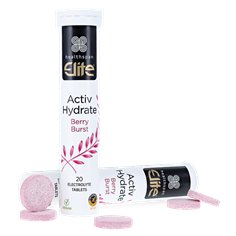
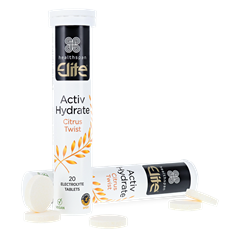
- Using electrolytes during longer or hotter sessions.
- Including carbohydrate during sessions lasting longer than 60 to 90 minutes.
- Using liquid calories when appetite is reduced.
- Prioritising post-training fluids, carbohydrate, and protein.
- Practising hot-weather strategies before competition.
The aim is not to make summer nutrition complicated. The aim is to avoid the common problem of unintentionally underfuelling or underhydrating when the environment becomes more demanding.
Common Mistakes
The most common mistake is treating summer training the same as cooler-weather training. Higher sweat losses, greater thermal strain, and reduced appetite all require adjustments.
Another common mistake is focusing only on water. While water is important, electrolytes become more relevant as sweat losses increase. Athletes also often neglect carbohydrate intake in the heat, especially when appetite is reduced.
Finally, some athletes wait until competition to test hot-weather strategies. This increases the risk of gastrointestinal issues, poor tolerance, or inadequate intake when performance matters most.
Application to Your Training
Athletes should use summer training sessions to build a repeatable warm-weather nutrition plan.
This might involve weighing before and after sessions to estimate sweat losses, testing different electrolyte products, practising carbohydrate intake during long sessions, and identifying recovery foods that are easy to tolerate after training in the heat.
The best strategy is the one that supports performance, feels practical, and can be repeated consistently.
Key Takeaway
Summer nutrition is about more than drinking extra water. Athletes need to consider fluid, electrolytes, carbohydrate, appetite, cooling, and recovery. By adjusting nutrition strategies to the demands of warmer conditions, athletes can train more consistently, reduce unnecessary fatigue, and better maintain performance throughout the summer.
Quality Assurance
Quality assurance is an important consideration when choosing sports nutrition products. Athletes should look for products that are manufactured to high standards and, where relevant, tested through recognised third-party programmes such as the Informed Sport Program.