
.png)
.png)
.png)
.png)
_2026122-125305.png)
_2026122-125305.png)

_2026122-125305.png)
_2026122-125305.png)
_2026122-125305.png)









The key point is that hydration should be approached as a daily strategy, not something you only think about once you start sweating.
- Why summer hydration matters for performance and daily life.
- When to use water, electrolytes or carbohydrate-electrolyte drinks.
- How to hydrate before, during and after training and personalise your plan.
Why Summer Hydration Matters
Hydration becomes more important during the summer because warmer conditions increase fluid losses, cardiovascular strain, and thermoregulatory demand during exercise (1,2). This means that the same training session can place a greater physiological load on the body when performed in hot or humid conditions (1).
For athletes, hydration is not only relevant during exercise. It also affects how you feel across the day, how well you tolerate training, how effectively you recover, and how prepared you are for the next session. Poor hydration can increase perceived effort, impair endurance performance, and contribute to avoidable fatigue (2,3).
Hydration and Exercise Performance
During exercise, sweat loss is the body’s main method of cooling itself. As sweat losses increase, blood volume can fall, cardiovascular strain rises, and the body has to work harder to maintain both exercise intensity and core temperature (2).
Dehydration of more than 2% of body mass has been associated with reductions in endurance performance, particularly when exercise is performed in warm conditions (3). This does not mean every athlete needs to replace every drop of sweat during exercise. However, it does mean that large fluid deficits can become performance-limiting.
- Weighing before and after training sessions can help estimate fluid losses.
- Use this information to guide a more individualised hydration plan.
Hydration and General Daily Function
Hydration also influences how athletes function away from training. Mild dehydration has been shown to impair mood, concentration, vigilance, and working memory in healthy adults (4).
This matters because athletes are not only trying to perform physically. They also need to focus during meetings, make decisions during competition, concentrate during skill work, and maintain energy across busy days.
During summer, general hydration habits often become more important because sweat losses can increase even outside formal training. Walking around in the heat, commuting, working outdoors, or spending time in warm environments can all contribute to greater fluid needs.
Electrolytes Are Not Just for Endurance Events
Hydration is often simplified to water intake, but electrolytes are a key part of the picture. Sodium, potassium, calcium, and magnesium all contribute to normal fluid balance, nerve transmission, and muscle function (2,5).
Sodium is particularly important during exercise because it is the main electrolyte lost in sweat (2). Replacing sodium can help support fluid retention and plasma volume, especially when sweat losses are high or when athletes are training for longer durations (5).
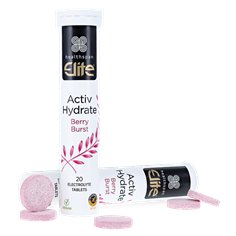
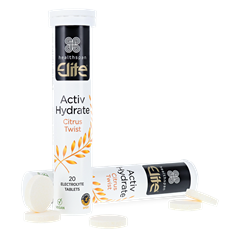
This is where electrolyte products can be useful. Healthspan Elite’s Activ Hydrate provides sodium, potassium, calcium, and magnesium, with 300 mg sodium per tablet, and is designed to be dissolved in 500 ml of water.
- Short but sweaty sessions.
- Hot gym sessions.
- Travel days.
- Daily hydration support.
- Recovery after a session where food intake will provide enough carbohydrate.
When Water Is Enough
Electrolytes are useful, but they are not required for every situation.
For general day-to-day hydration, water alongside normal meals is usually sufficient for many athletes. Meals naturally provide sodium and other minerals, which support fluid balance.
- Short low-intensity sessions.
- Rest days.
- Light activity in mild conditions.
- Athletes with low sweat losses.
The need for electrolytes increases when sweat losses are high, training duration is longer, conditions are hot, or the athlete needs to rehydrate quickly.
When Carbohydrate Should Be Included
During longer or more demanding sessions, hydration and fuelling often need to be considered together. Carbohydrate intake during prolonged exercise helps maintain blood glucose and support performance (6,7).
For sessions lasting longer than 60 to 90 minutes, especially in the heat, a carbohydrate-electrolyte drink can be more appropriate than electrolytes alone.
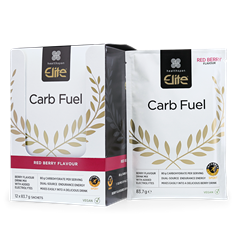
Healthspan Elite’s Carb Fuel provides 80 g carbohydrate per sachet in a 1:0.8 maltodextrin-to-fructose ratio, alongside electrolytes including 300 mg sodium per serving. It is designed to be mixed with 500 ml water and used during intense or prolonged exercise, depending on intensity and duration.
Practically, this is more relevant for long rides, long runs, endurance events, high-volume training days, or sessions where the athlete needs both fuel and fluid.
Hydration Before Training
Starting training well hydrated is one of the simplest ways to support performance. Athletes who begin sessions already dehydrated have less margin for error once sweat losses begin.
A practical approach is to drink regularly across the day rather than trying to consume large volumes immediately before training. Drinking with meals is often the easiest habit to build.
- Fluid intake during the previous few hours.
- Urine colour and thirst.
- Expected session duration.
- Temperature and humidity.
- Whether electrolytes are needed.
If urine is very dark, thirst is high, or the session is likely to be hot and sweaty, adding electrolytes may be useful.
Hydration During Training
During exercise, fluid intake should be based on sweat rate, thirst, tolerance, and access to drinks. The aim is not always to replace 100% of sweat losses, but to limit excessive dehydration while avoiding overdrinking (2,3).
For shorter sessions, small amounts of fluid may be enough. For longer or hotter sessions, a more structured plan is useful.
- Water for short, low-sweat sessions.
- Electrolytes for sweaty or hot sessions.
- Carbohydrate-electrolyte drinks for longer or harder sessions.
- Practice the plan before competition.
This keeps the strategy practical rather than overly complicated.
Hydration After Training
Rehydration is particularly important when another session is planned later that day or the following morning.
After exercise, athletes should replace fluid losses gradually and include sodium to improve fluid retention (5). This can come from electrolyte drinks, salty foods, or a normal meal depending on the situation.
If the session was long or intense, carbohydrate and protein should also be included to support glycogen restoration and muscle repair (6,8).
For example, an athlete might use Activ Hydrate after a short but very sweaty session, or Carb Fuel during a long endurance session where carbohydrate intake is also required.
Common Hydration Mistakes
The first common mistake is waiting until thirst becomes severe before drinking. Thirst is useful feedback, but it can lag behind needs during longer or hotter sessions.
The second is using water only during very sweaty training. In these situations, electrolyte intake may improve fluid retention and support muscle and nerve function.
The third is using electrolyte products when carbohydrate is actually needed. If the session is long, intense, or endurance-focused, athletes may need both fluid and fuel.
The fourth is copying someone else’s hydration strategy. Sweat rate and sodium losses vary widely, so hydration needs should be individualised.
Application to Your Situation
A practical summer hydration strategy should include:
- Water consistently across the day.
- Electrolytes when sweat losses are high.
- Carbohydrate-electrolyte drinks during longer or harder sessions.
- Pre-session hydration habits.
- Post-session rehydration based on sweat losses.
- Testing products and fluid volumes in training before competition.
The best approach is not always the most complex. It is the one that matches the session, the environment, and the athlete’s individual needs.
Key Takeaway
Summer hydration is about more than drinking extra water. Athletes need to consider fluid, electrolytes, carbohydrate, sweat rate, and daily routines. Water may be enough for lower-demand situations, but electrolyte products such as Healthspan Elite Activ Hydrate can be useful when sweat losses are high, while carbohydrate-electrolyte options such as Healthspan Elite Carb Fuel are better suited to longer or more demanding sessions where fuelling is also required.
Quality Assurance
Quality assurance is an important consideration when choosing sports nutrition products. Athletes should look for products that are manufactured to high standards and, where relevant, tested through recognised third-party programmes such as the Informed Sport Program.