
.png)
.png)
.png)
.png)
_2026122-125305.png)
_2026122-125305.png)

_2026122-125305.png)
_2026122-125305.png)
_2026122-125305.png)










Hydration is often simplified to “drink more water”. While water is essential, this does not fully explain what athletes need before, during, and after training. Effective hydration is about maintaining fluid balance, supporting electrolyte status, and matching intake to the demands of the session.
- When water alone is enough for hydration.
- Why electrolytes become important as sweat losses increase.
- When carbohydrate and hydration need to be considered together.
Why Hydration Is More Than Fluid Intake
During exercise, sweat loss contains both water and electrolytes, particularly sodium (1,2). When these losses are not replaced appropriately, athletes may experience increased cardiovascular strain, impaired thermoregulation, reduced endurance performance, and greater perceived effort (1,3).
This is why hydration strategies should be based on context. A short gym session in cool conditions does not require the same approach as a long run in the heat, a multi-hour ride, or repeated training sessions across the day.
The Role of Water
Water is still the foundation of hydration. For general daily hydration, lower-intensity training, and short sessions, water alongside regular meals is often enough.
The body uses water to regulate temperature, support circulation, transport nutrients, remove waste products, and maintain normal physiological function. During exercise, sweat evaporation is one of the main ways the body releases heat (1).
However, drinking water alone does not always solve the hydration problem. If sweat losses are high, or if an athlete needs to rehydrate efficiently after exercise, electrolytes become more important.
This is especially relevant during summer training, endurance events, repeated sessions, or any scenario where an athlete is losing large amounts of sweat.
Electrolytes and Why They Matter
Electrolytes are minerals that carry an electrical charge in the body. The main electrolytes involved in hydration and muscle function include sodium, potassium, calcium, magnesium, and chloride.
Sodium is particularly important because it is the main electrolyte lost in sweat. It supports fluid retention, plasma volume, nerve transmission, and muscle contraction (1,2).
When athletes replace large fluid losses with water only, they may not rehydrate as effectively because sodium helps retain the fluid consumed (2). In prolonged events, excessive intake of plain water without adequate sodium can also contribute to a dilution of blood sodium levels, which increases the risk of exercise-associated hyponatremia (4).
This does not mean every athlete needs electrolytes all day. It means electrolytes should be used strategically when sweat losses, duration, heat, or rehydration demands are high.
When an Electrolyte Product Makes Sense
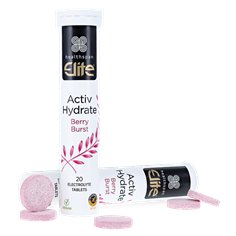
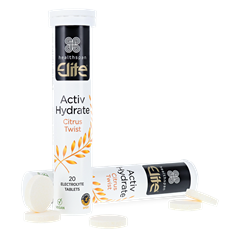
Electrolyte products like Healthspan Elite Activ Hydrate are most useful when the athlete needs fluid and minerals, but not necessarily carbohydrate.
- Hot training sessions.
- Short but very sweaty sessions.
- Gym sessions in warm environments.
- Travel days where fluid intake is inconsistent.
- Rehydration after training.
- Athletes with high sweat rates.
In practice, this type of product fits best where hydration and electrolyte replacement are the priority, but additional fuel is not required.
Hydration and Carbohydrate Together
For longer or more demanding sessions, hydration is not only about fluid and electrolytes. Carbohydrate may also be required.
Carbohydrate intake during prolonged exercise helps maintain blood glucose, supports carbohydrate oxidation, and can improve endurance performance (5,6). For many athletes, this means that the best hydration drink during longer training sessions is not just water or electrolytes, but a carbohydrate-electrolyte drink.
This is particularly relevant for sessions lasting longer than 60 to 90 minutes, high-intensity endurance sessions, long rides, long runs, or back-to-back training days.
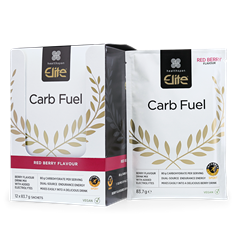
Healthspan Elite Carb Fuel provides 80 g carbohydrate per sachet in a 1:0.8 maltodextrin-to-fructose ratio, with added electrolytes including 300 mg sodium. This type of product fits a different use case to an electrolyte tablet. It is more appropriate when the athlete needs both fuel and fluid.
Food Also Contributes to Hydration
Hydration is not only determined by what is in the bottle. Food also contributes fluid and electrolytes.
Meals and snacks provide sodium, potassium, magnesium, and other nutrients that support fluid balance. This is why normal meals are an important part of daily hydration and rehydration strategies (1,2).
For example, a post-training meal that includes carbohydrate, protein, salty foods, and fluids may support rehydration more effectively than plain water alone. Milk, smoothies, soups, yoghurt, fruit, rice bowls, sandwiches, and cereal with milk can all contribute to fluid and nutrient intake.
This matters because athletes often separate hydration from food. In reality, they work together.
Matching the Strategy to the Session
The most important question is not “what is the best hydration product?” It is “what does this session require?”
A short strength session may only require normal daily hydration. A hot interval session may benefit from electrolytes. A long endurance session may require carbohydrate and electrolytes together.
- Water for general daily hydration and short low-sweat sessions.
- Electrolytes for hot, sweaty, or repeated sessions.
- Carbohydrate-electrolyte drinks for longer or more demanding endurance sessions.
- Food and fluids together for post-training rehydration.
This keeps the strategy specific without making it unnecessarily complicated.
Common Mistakes
The first mistake is assuming that hydration only means drinking more water. Water matters, but electrolytes can be essential when sweat losses are high.
The second mistake is using electrolyte-only products when carbohydrate is also needed. If the session is long, intense, or endurance-focused, athletes may need fuel as well as fluid.
The third mistake is using carbohydrate drinks for sessions where they are unnecessary. If the goal is general hydration or electrolyte replacement, an electrolyte product may be more appropriate.
The fourth mistake is ignoring individual sweat rate. Athletes vary significantly in how much they sweat and how much sodium they lose, so hydration strategies should be tested in training.
Application to Your Training
A practical approach is to build a hydration plan around training demands.
For everyday hydration, start with regular fluid intake and meals. For sweaty sessions, consider electrolytes to help replace minerals lost through sweat. For prolonged endurance training, consider carbohydrate-electrolyte drinks to support both hydration and fuelling.
Healthspan Elite Activ Hydrate may be useful when the goal is electrolyte replacement without large carbohydrate intake. Healthspan Elite Carb Fuel may be more appropriate when the athlete needs both carbohydrate and electrolytes during prolonged or demanding exercise.
The key is to match the product to the purpose.
Key Takeaway
Hydration is not just water. Effective hydration considers fluid, electrolytes, carbohydrate, food intake, sweat losses, and training demands. Water may be enough in some situations, but electrolytes become more important when sweat losses are high, and carbohydrate-electrolyte drinks are useful when fuelling and hydration need to be combined.
Quality Assurance
Quality assurance is an important consideration when choosing sports nutrition products. Athletes should look for products that are manufactured to high standards and, where relevant, tested through recognised third-party programmes such as the Informed Sport Program.