
.png)
.png)
.png)
.png)
_2026122-125305.png)
_2026122-125305.png)

_2026122-125305.png)
_2026122-125305.png)
_2026122-125305.png)









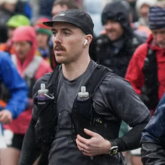
An exercise-focused holiday should still feel like a holiday. By locking in a few nutrition and recovery essentials, you can train well, maintain your energy and still enjoy the social side of the trip.
- Maintaining hydration, electrolytes and energy during active days.
- Supporting recovery through protein, carbohydrate and sleep.
- Managing travel, digestion and alcohol without overcomplicating the holiday.
🕒 6 min read
Why Nutrition Still Matters on an Active Holiday
An exercise-focused holiday should still feel like a holiday. The aim is not to follow a rigid performance nutrition plan, avoid every meal out or remove the enjoyment from the trip. However, if the holiday includes running, cycling, hiking, gym sessions, golf, swimming, football or other regular exercise, the basics still matter.
Training and activity increase requirements for energy, carbohydrate, protein, fluid and electrolytes (1). Travel can also disrupt normal eating patterns, sleep, hydration, digestion and recovery routines (2,3). This means that athletes can quickly find themselves underfuelled, dehydrated, sleep-deprived or struggling with heavy legs before the trip has really started.
The best approach is to lock in a few simple essentials. These give you enough structure to train well, recover properly and still enjoy the social side of the holiday.
Start the Trip Well Hydrated
Hydration should be one of the first priorities, especially if the trip involves flights, heat or long travel days. Air travel, changes in routine and limited access to fluids can all make it harder to maintain normal hydration habits (2,3).
During exercise, fluid losses vary substantially between athletes and are influenced by exercise intensity, body size, environment and heat acclimation (4). Starting sessions dehydrated can increase cardiovascular strain, impair thermoregulation and reduce endurance performance (4,5).
A simple rule is to start each day with fluids before caffeine or alcohol becomes the default. Drinking with breakfast, carrying a water bottle and using urine colour as a basic guide can all help maintain hydration without overcomplicating the process.
- Drink fluids with breakfast.
- Carry a refillable water bottle.
- Use thirst, comfort and urine colour as practical feedback.
- Avoid beginning activity already dehydrated.
Add Electrolytes When Sweat Losses Are High
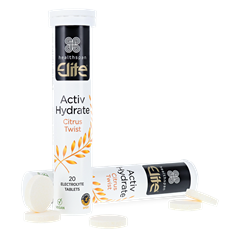
Water is important, but it is not always enough. Sweat contains electrolytes, particularly sodium, and sodium plays a key role in fluid balance, plasma volume, nerve transmission and muscle function (4,6).
Electrolytes become more relevant when exercise is prolonged, sweat losses are high, the weather is hot or there are multiple active days in a row. In these settings, replacing fluid without considering sodium may lead to poorer fluid retention and less effective rehydration (6).
Practically, this does not mean using electrolytes all day for no reason. It means using them strategically during longer sessions, after very sweaty sessions or when training in the heat.
- During longer exercise sessions.
- After activities involving high sweat losses.
- When exercising in hot conditions.
- During holidays with several active days in succession.
Keep Carbohydrate Available for Exercise
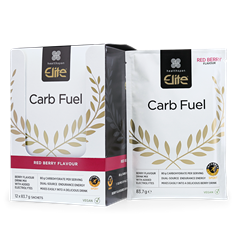
Carbohydrate is the primary fuel source for moderate- to high-intensity exercise (1,7). On an active holiday, it is easy to accidentally reduce carbohydrate intake because meals become less structured, breakfast is delayed or the day starts with exercise before enough food has been consumed.
For most holiday sessions, the strategy does not need to be complex. A carbohydrate-containing breakfast before morning exercise, a snack before longer activity or a sports drink during longer sessions may be enough.
- Toast, cereal or bagels.
- Bananas and other fruit.
- Oat bars or sandwiches.
- Rice, pasta or potatoes.
- Fruit juice or sports drinks.
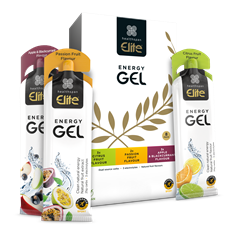
If the session lasts longer than 60 to 90 minutes, carbohydrate intake during exercise becomes more important for maintaining performance (7).
Hit Protein at Each Meal
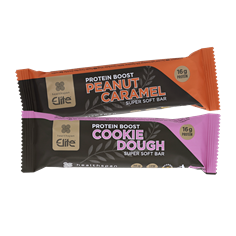
Protein supports muscle repair, adaptation and recovery from training (8). On holiday, protein intake often becomes inconsistent. Breakfast may be low in protein, lunch might be snack-based and the main protein-containing meal may only happen at dinner.
A better approach is to include a protein source at each main meal. This could be eggs, Greek yoghurt, milk, chicken, fish, lean meat, tofu, beans, lentils or a protein shake if food access is limited.
For active individuals, total daily protein intake and regular distribution across the day are both important for supporting muscle protein synthesis and recovery (8). This is especially useful if the holiday includes repeated gym sessions, running, cycling or long days on your feet.
- Breakfast: Eggs, Greek yoghurt or milk.
- Lunch: Chicken, fish, tofu, beans or lentils.
- Dinner: Lean meat, fish or a plant-based protein source.
- When food access is limited: A convenient protein-rich drink or shake.
Plan for Travel Days
Travel days are where the wheels often come off. Airport food, long transfers, delayed meals and limited access to familiar foods can all disrupt intake.
Travel nutrition literature highlights the need to plan for altered food availability, catering quality, hydration, food hygiene and gastrointestinal comfort when athletes are away from their normal environment (2). A small amount of preparation can prevent a lot of unnecessary stress.
- Wraps or sandwiches.
- Fresh or dried fruit.
- Cereal or oat bars.
- Nuts.
- Protein yoghurts or milk drinks.
- Electrolyte tablets.
- A refillable water bottle.
The aim is not to pack your whole kitchen. The aim is to avoid being completely dependent on whatever happens to be available.
Manage Alcohol Without Being Unrealistic
On a lads’ holiday, alcohol may be part of the social environment. The goal is not necessarily abstinence, but awareness.
Alcohol can affect sleep, hydration behaviours, neuromuscular function and recovery processes (9,10). Research also suggests that the impact of alcohol on recovery depends on the dose, timing, proximity to exercise, injury status and how soon the athlete needs to perform again (9).
A practical approach is to avoid stacking alcohol on top of hard training days without recovery basics in place. If drinking is part of the evening, it is worth still prioritising a proper meal, fluids, electrolytes if needed and sleep.
The biggest issue is often not one drink. It is the combination of heavy alcohol intake, poor sleep, low food intake, dehydration and another session the next morning.
- Eat a proper meal rather than replacing food with alcohol.
- Continue drinking water during the evening.
- Consider electrolytes after a particularly hot or sweaty day.
- Avoid placing the heaviest drinking night before the hardest activity.
Protect Sleep Where You Can
Sleep is one of the most important recovery tools available to athletes. Sleep loss can negatively affect exercise performance, cognitive function, reaction time and physiological responses to exercise (11).
Holiday routines often make sleep less predictable. Late nights, early activities, alcohol, travel, heat and shared accommodation can all interfere with sleep quality.
You do not need a perfect sleep routine on holiday, but you should try to protect sleep before the bigger activity days. That might mean avoiding late caffeine, limiting heavy meals immediately before bed, using an eye mask or earplugs and planning at least a few nights where recovery is prioritised.
Keep Digestion Simple Before Activity
A common mistake is eating a large, high-fat, high-fibre or unfamiliar meal before exercise. This can increase the risk of gastrointestinal discomfort, especially before running or high-intensity sessions.
Travel nutrition recommendations often emphasise familiar, easy-to-digest foods around travel and competition settings, particularly when gastrointestinal comfort may already be disrupted (2).
Before morning exercise, simple options such as toast, banana, cereal, yoghurt or a bagel may be easier to tolerate than a heavy cooked breakfast. Save the bigger meals for after training or later in the day.
- Choose familiar foods.
- Keep fat and fibre moderate if they cause discomfort.
- Use simple options such as toast, cereal, yoghurt, a banana or a bagel.
- Save larger or heavier meals until after exercise.
Build a Simple Holiday Recovery Routine
A good holiday recovery routine does not need to be complicated.
After exercise, aim to cover the basics: fluid, electrolytes if sweat losses were high, carbohydrate to refuel and protein to support repair (1,6,8). This could be as simple as a chocolate milk, a sandwich and water, a smoothie with yoghurt or a proper meal within a couple of hours.
If you are training again the next day, recovery matters more. If the next day is a rest day, there is more flexibility. The key is matching the effort with the recovery required.
- Fluid: Replace what has been lost through sweat.
- Electrolytes: Consider them after hot or particularly sweaty sessions.
- Carbohydrate: Replenish fuel used during activity.
- Protein: Support muscle repair and adaptation.
Application to Your Holiday
A simple structure for an active lads’ holiday could be:
- Drink water with breakfast before coffee.
- Use electrolytes for hot, long or very sweaty sessions.
- Consume carbohydrate before and during longer exercise.
- Include protein at breakfast, lunch and dinner.
- Pack travel snacks before airport or transfer days.
- Manage alcohol around the hardest activity days.
- Protect sleep before bigger sessions.
- Have a simple recovery meal or drink after exercise.
This keeps the essentials in place without making the holiday feel like a training camp.
Key Takeaway
An exercise holiday does not require perfection. It requires a few basics done consistently. Hydration, electrolytes, carbohydrate, protein, sleep and sensible alcohol management can make the difference between feeling sharp all week and feeling progressively worse each day. Lock in the essentials, then enjoy the trip.
Quality Assurance
Quality assurance is an important consideration when choosing sports nutrition products. Athletes should look for products that are manufactured to high standards and, where relevant, tested through recognised third-party programmes such as the Informed Sport Program.