
















Explore how caffeine works, how to time it around training and why fuelling, individual tolerance and sleep remain essential for female athletes.
- How caffeine affects alertness and perceived effort.
- Timing and tolerance alongside food and hydration.
- Protecting sleep and following product warnings.
Caffeine for Female Athletes
Caffeine is naturally found in the fruit, leaves and beans of coffee, cacao and guarana plants. It is also added to beverages and supplements. In this article, we'll focus on caffeine from supplements and how to use it to support alertness and performance.
Caffeine is one of the most widely used ergogenic aids in sport. Understanding its effects is essential, especially for female athletes.
Women often experience periods of low energy, whether across parts of the menstrual cycle or life stages such as becoming a mum or going through the menopause. Caffeine is something many reach for, so let's dig a little deeper into how it can support female athletes.
The key is using caffeine intentionally: the right dose, at the right time, for the right session.
How Does Caffeine Work?
Caffeine acts as an antagonist for adenosine receptors. Adenosine typically promotes relaxation and fatigue. Blocking these receptors in the brain can increase alertness and reduce your perception of effort.
Caffeine can also increase catecholamines, such as adrenaline, which may increase arousal and readiness. In sport, this can translate to improvements in performance, particularly for endurance, repeated sprint work and high-intensity efforts.
If caffeine is something you use, or are considering using, the next step is knowing how to dose and time it so it supports you, rather than simply giving you a buzz.
Start with the Energy Foundations
Energy can fluctuate for lots of reasons: menstrual cycle symptoms, sleep disruption, stress, low energy availability, iron status and life stages such as pregnancy, postpartum and perimenopause. Caffeine can be a helpful tool, but it won't fix the foundations.
If you're regularly relying on caffeine to get through the day, review sleep, total food intake, especially carbohydrate, and hydration. Discuss persistent fatigue and whether iron or ferritin testing is appropriate with a qualified healthcare practitioner.
A huge amount of research has explored caffeine dose and timing, although research specifically involving female athletes remains more limited. The available evidence can still help inform a performance strategy that suits your training and individual response.
Caffeine Dose
Performance research often uses around 3-6 mg of caffeine per kg of body weight. This is a research range, not a recommendation to take that amount in a single dose or to exceed a product's directions. Some individuals respond to less, and higher intakes can increase unwanted effects such as anxiety, gut upset and sleep disruption.
Start low, trial your response in training and count caffeine from all sources, including coffee, tea, energy drinks, gels and supplements. Seek individual advice from a qualified sports nutrition professional when planning a performance dose.
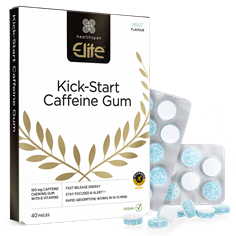
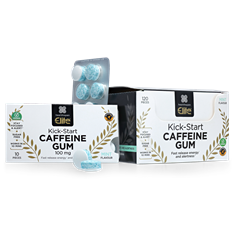
For example, each piece of Healthspan Elite Kick-Start Caffeine Gum contains 100 mg of caffeine. Follow the current product directions and account for any other caffeine you consume.
Timing Your Caffeine
Timing depends on the form of caffeine you consume. Common sources include:
- Caffeine gum
- Coffee
- Energy drinks
- Caffeine shots
- Caffeine chews or gels
Caffeine from drinks and supplements often peaks around 45-60 minutes after intake, although this varies. Timing matters if you want the effect to land when you need it most.
Healthspan Elite Kick-Start Caffeine Gum provides approximately 85% caffeine absorption in 10-15 minutes. This can be useful before the gym or a match, or during longer sessions when you want the effect later on. Any top-up must stay within the product directions and your planned total caffeine intake.
Protect Your Sleep
Caffeine typically has a half-life of around 5-6 hours in many adults, and it can be longer in some people. If you have 100 mg at 3 pm, roughly 50 mg could still be in your system around 8-9 pm.
Consider stopping caffeine at least eight hours before your intended bedtime, and earlier if you are sensitive to it. A 2 pm cut-off may suit some schedules, but it is not a universal guarantee that sleep will be unaffected.
Protecting sleep quality and quantity can help support your energy the following day.
Fuel Your Training
Caffeine should not replace energy from food or adequate fluid intake. You can pair caffeine with carbohydrate to support longer or harder sessions. One practical example is a piece of caffeine gum alongside a banana, provided the caffeine fits your plan and the product directions.
Caffeine is one of the most researched performance supplements. Used well, it can support alertness, focus and performance, but the best results come when it is matched to your body, tolerance and training demands.
Key Takeaway
Begin low, trial caffeine in training first and protect your sleep. Keep fuelling, hydration and recovery at the centre of your approach.
Important Considerations
Kick-Start Caffeine Gum is not recommended for children or pregnant women. If you are breastfeeding, taking prescribed medication or have a medical condition, seek advice from a healthcare professional before using caffeine supplements. Follow the current label and stop use if you experience an adverse reaction.
Quality Assurance
Choose sports nutrition products with appropriate quality assurance. Where relevant, check the specific product and batch through a recognised third-party testing programme such as Informed Sport.