
.png)
.png)
.png)
.png)
_2026122-125305.png)
_2026122-125305.png)

_2026122-125305.png)
_2026122-125305.png)
_2026122-125305.png)









Not everyone gets on with energy gels. Some runners dislike the texture, others tire of the sweetness during a long event, and some experience digestive discomfort after using them. This guide covers the best energy gel alternatives for running, why gels can cause problems for some athletes and which other carbohydrate sources are genuinely practical during prolonged exercise.
Jump to:
🕒 8 min read
Do you need energy gels?
It depends on how long and how intensely you are exercising. Energy gels are convenient, but they are not the only way to provide carbohydrate during prolonged activity.
For many sessions lasting less than approximately 60 minutes, additional carbohydrate is unlikely to be necessary if you begin adequately fuelled. As exercise duration increases, consuming carbohydrate becomes more useful for maintaining carbohydrate availability and supporting endurance performance.
A systematic review and meta-analysis of endurance studies found that carbohydrate intake during exercise lasting at least one hour improved several measures of endurance performance.
The body responds to the carbohydrate rather than the packaging it arrives in. A gel, sports drink, chew or suitable food can all contribute towards your carbohydrate intake, provided the format delivers an appropriate amount and can be consumed comfortably during the activity.
Gels become particularly useful during faster events, where chewing and carrying solid food may be impractical. During steadier training runs or supported endurance events, athletes may have more freedom to use drinks or whole-food alternatives.
- During endurance activity lasting longer than approximately one hour.
- During prolonged or repeated high-intensity exercise.
- When maintaining race pace leaves little opportunity to eat solid food.
- When several demanding training sessions are completed close together.
- When the fuelling strategy has been practised and tolerated during training.
What did runners use before energy gels?
Before modern sports gels became widely available, endurance athletes relied on carbohydrate sources such as sugar, dried fruit, bananas, sweets, drinks and other portable foods.
The available products have changed, but the underlying principle remains the same: provide working muscles with a regular external source of carbohydrate during prolonged activity.
Are there any alternatives to energy gels?
Yes. To understand which alternatives are suitable, it helps to consider what an energy gel is designed to do.
A gel provides a measured amount of carbohydrate in a small, portable format that is easy to consume while moving. An effective alternative should provide carbohydrate in a similarly practical way without creating problems with carrying, chewing or digestion.
Gastrointestinal discomfort is one of the main reasons athletes stop using gels. Cramping, nausea, bloating or diarrhoea can be influenced by several factors, including the amount and concentration of carbohydrate, exercise intensity, hydration, unfamiliar products and taking too much fuel within a short period.
Some concentrated gels are intended to be consumed with water. Healthspan Elite Energy Gels use natural pectin for a lighter consistency and do not need to be taken with water, although maintaining an appropriate hydration strategy remains important.
Exercise itself can also make digestion more difficult because blood flow is redirected towards the working muscles. This means that almost any food or drink may become harder to tolerate at high intensity.
Practising your fuelling plan during training can help you identify whether the problem is the product itself, the amount consumed, the timing or the overall carbohydrate concentration.
What are the best energy gel alternatives?
The following options range from purpose-made sports nutrition products to everyday foods. No single approach will suit every athlete, and anything new should be tested during training well before race day.
Energy chews
Energy chews are one of the closest alternatives to gels. They deliver carbohydrate in a soft, solid format and can be divided into smaller portions rather than consumed all at once.
This can suit athletes who prefer a little-and-often approach or find the texture of a gel unpleasant. Check the label carefully, as the number of chews required to provide the same carbohydrate as one gel varies between products.
Some chews also contain caffeine or electrolytes. Include these ingredients when calculating your total intake from all products used during the session.
Sports drinks with carbohydrates
A carbohydrate drink provides fuel and fluid together, avoiding the texture and chewing involved with gels or solid food.
The principal limitation is volume. You may need to drink a meaningful amount to reach your intended carbohydrate target, which may not be comfortable or practical during a run.
Carbohydrate drinks can work particularly well during cycling, supported running events or longer exercise where carrying bottles is easier. They can also be combined with smaller amounts of food to provide variety.
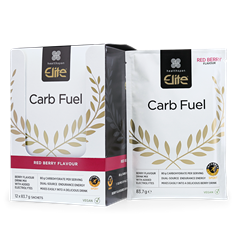
Healthspan Elite Carb Fuel provides 80g of carbohydrate per serving from maltodextrin and fructose. It is mixed with 500ml of water and designed to be consumed gradually during prolonged exercise.
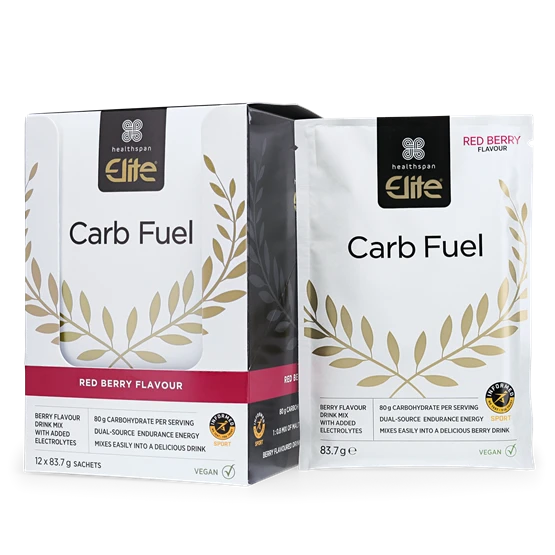
Carb Fuel
High-carbohydrate drink mix for prolonged endurance exercise
- 80g carbohydrate per prepared serving.
- A 1:0.8 ratio of maltodextrin to fructose.
- Added sodium, potassium, calcium and magnesium.
- Mix one sachet with 500ml of water.
- Designed to be consumed gradually during prolonged exercise.
- Independently batch tested through Informed Sport.
Dates and dried fruit
Dates, raisins, dried apricots and other dried fruits provide carbohydrate in a naturally compact format. A large Medjool date typically provides around 18g of carbohydrate, although the exact amount depends on its size.
Dried fruit is portable and can provide welcome flavour and texture variety during longer events. However, it may also contain more fibre and fructose than a purpose-made sports product, which can cause digestive discomfort for some athletes when consumed in large amounts.
Research comparing raisins with sports chews during endurance running found that both carbohydrate options supported performance compared with water, although tolerance and practicality remain individual.
Bananas
Bananas are widely used at aid stations because they provide carbohydrate in a familiar, easy-to-eat format. A medium banana generally provides around 20–25g of carbohydrate.
They work well during supported events, training sessions or cycling, but they are less convenient to carry during a race than a gel, drink or chew.
Honey sachets
Honey contains glucose and fructose and can be carried in individual sachets. Some athletes find its texture or flavour preferable to a conventional gel.
Check how much carbohydrate each sachet provides and test it during training. Honey is still a concentrated sugar source and may cause digestive discomfort if too much is consumed at once.
Jelly sweets
Jelly babies, wine gums and similar sweets are inexpensive, portable and easy to divide into smaller portions.
The amount required to match a sports gel can be substantial, so calculate the carbohydrate per sweet rather than estimating. They may be most useful as part of a mixed strategy rather than the only source of fuel.
Energy bars
Bars can provide greater flavour and texture variety than gels and may work well during lower-intensity exercise where there is time to chew properly.
They are less suitable at faster running intensities because protein, fat and fibre can slow digestion. Choose a carbohydrate-focused bar rather than assuming that a high-protein bar provides equivalent in-exercise fuel.
Bars are generally easier to use during cycling, walking, ultramarathons or steady training than during a fast road race.
Real-food pouches
Fruit-based pouches and other soft real-food products have become increasingly popular during long endurance events. Their less concentrated taste may be easier to tolerate after several hours of sweet sports products.
They are often less carbohydrate-dense than an engineered gel, so portion size and packaging weight need to be considered when planning how much to carry.
- For fast running: drinks or chews are normally more practical than solid food.
- For cycling: carbohydrate drinks, chews, dried fruit and bars are easier to carry and consume.
- For supported events: bananas and other foods may be available at aid stations.
- For longer, slower events: combining sweet and savoury foods can help prevent flavour fatigue.
- For sensitive stomachs: test the amount, concentration and timing rather than changing everything at once.
How do you fuel long runs without gels?
The format matters less than achieving an appropriate carbohydrate intake that you can tolerate consistently.
During prolonged exercise, a common starting target is approximately 30–60g of carbohydrate per hour. Events lasting longer than around two and a half hours may require higher intakes of up to approximately 90g per hour, particularly when multiple carbohydrate sources are used.
These figures are guidelines rather than mandatory targets. Exercise intensity, body size, event duration, training status and digestive tolerance all affect the amount an individual athlete requires.
A gel-free hourly plan might combine a carbohydrate drink with smaller portions of chews, dried fruit, sweets or another suitable food. Add the carbohydrate from every product together rather than treating each item separately.
For example, one prepared serving of Carb Fuel provides 80g of carbohydrate. An athlete using it gradually over an hour may not require several additional carbohydrate products during the same period.
Begin fuelling before a noticeable drop in energy rather than waiting until fatigue has already developed. Many athletes start after approximately 40–60 minutes and continue at consistent intervals, depending on the activity and overall plan.
For a race-specific example, read our guide to when to take energy gels during a half marathon.
Our guide to fuelling a long-distance race also covers meals, hydration and recovery around longer events.
When to Take Energy Gels During a Cycle, Workout or Run provides broader timing guidance across several activities.
Hydration remains important regardless of which carbohydrate format you use. Follow a hydration plan appropriate to your sweat rate, weather conditions, exercise duration and opportunities to drink.
Why Healthspan Elite Energy Gels may be worth reconsidering
A poor experience with one gel does not necessarily mean that every gel will cause the same problem. Texture, carbohydrate source, concentration, serving size, timing and exercise intensity can all affect tolerance.
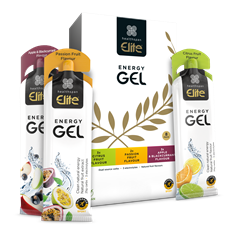
Healthspan Elite Energy Gels provide 25g of carbohydrate per sachet from a 2:1 combination of maltodextrin and fructose.
Using more than one carbohydrate source allows the body to use different intestinal transport pathways. Research suggests that this can increase carbohydrate delivery and oxidation compared with relying on glucose alone at higher intake rates.
The gels use natural pectin to create a lighter and more fluid consistency and can be consumed without water. They also contain sodium, potassium and calcium and use natural fruit flavours without artificial colours, flavours or sweeteners.
The Mixed Pack contains Apple & Blackcurrant, Citrus and Passion Fruit flavours, allowing you to test each option during training before deciding which you prefer.
Whether you return to gels or continue using an alternative, the most reliable strategy is the one that supplies enough carbohydrate, fits the practical demands of your activity and remains comfortable when tested under realistic training conditions.
Explore the complete Healthspan Elite energy gel range or browse the wider sports nutrition range.
Quality Assurance
Athletes who are subject to anti-doping rules should choose sports nutrition products that have undergone appropriate banned-substance testing.
Healthspan Elite Carb Fuel and Energy Gels are independently batch tested through the Informed Sport programme, providing additional assurance for competing athletes.
Always follow the directions shown on each product. Carb Fuel should be mixed with 500ml of water and consumed gradually during exercise. Energy Gel consumption should not exceed five sachets daily.
Food supplements should not be used as a substitute for a varied, balanced diet and a healthy lifestyle.